Voice Cloning
Voice cloning and synthesis technology
Volunteer Orientation in the Coordinator's Own Voice: Cloned-Voice Onboarding Audio for Nonprofits and Clubs (2026)
You give the same orientation every intake. Record your voice once, clone it with consent, and let new volunteers hear the welcome and the basics before they arrive.
Your Lesson, Between Lessons: How Private Tutors Can Send Practice Recaps in Their Own Cloned Voice (2026)
Students forget most of a lesson by midweek. A two-minute recap in the tutor's own voice keeps practice on track without extra teaching hours. Workflow, consent and privacy rules included.
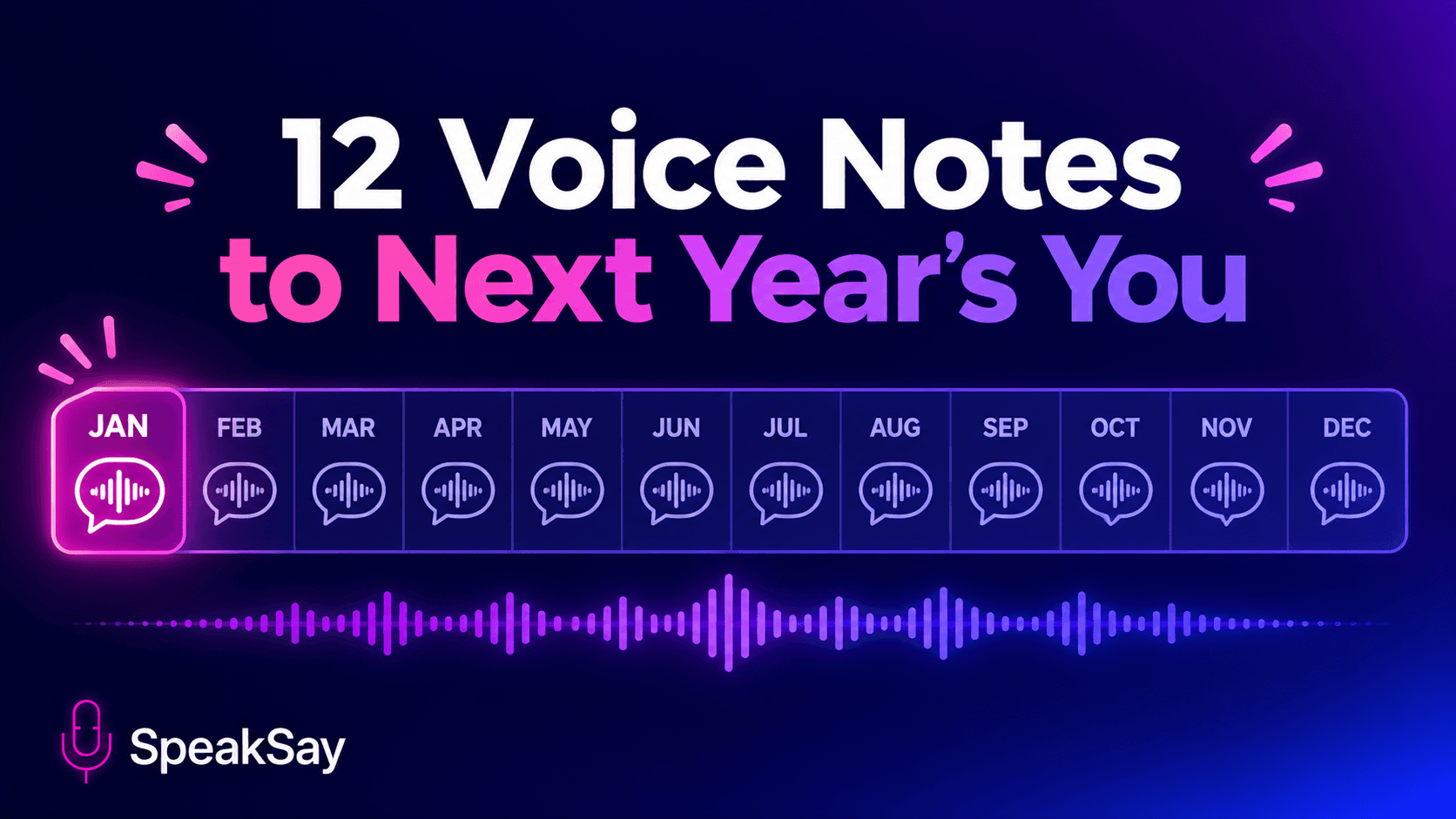
Twelve Voice Notes to Next Year's You: How to Make Monthly Resolution Check-Ins in Your Own Cloned Voice (2026)
Resolutions fade because the reminder is easy to ignore. Here is how to record one consent sample, write twelve short notes to your future self, and schedule them in your own voice.
Hear Your Interview Answers Before the Interviewer Does: How to Practise Job Interview Answers With a Clone of Your Own Voice (2026)
Most people rehearse interview answers silently and discover the rambling on the day. This guide shows how to hear each answer in a clone of your own voice, edit for length and clarity, and then practise saying it aloud. Own voice only, for rehearsal only, never used in the interview.
Your Monthly Market Update Gets Deleted Unread: How a Real Estate Agent Can Send a 2-Minute Audio Update in Their Own Cloned Voice (2026)
Agents send monthly market emails that clients skim or ignore. A two-minute audio update in your own voice feels personal, takes about 15 minutes to produce, and keeps you in front of past clients and your sphere.
Say It Once, Hear It Often: How Teachers Can Give Audio Feedback on Student Work in Their Own Cloned Voice (2026)
Written comments are skimmed, and recording every comment by hand takes longer than writing it. This guide shows how a teacher can write short feedback, hear it in a clone of their own voice, and send it as audio, while keeping student data, consent and school policy at the centre.
The Year-End Checklist Clients Don't Open: How an Accountant or Bookkeeper Can Send a 3-Minute Audio Walkthrough in Their Own Cloned Voice (2026)
Every December a small practice sends the same checklist and every January chases the same missing documents. A three-minute walkthrough in your own voice gets more clients to act, without recording a new message for every update.
Hear Your Toast Before the Room Does: How to Rehearse a Wedding Speech or Best Man Toast With a Clone of Your Own Voice (Timing, Jokes and Nerves, 2026)
Most people rehearse a toast in their head and discover its problems at the microphone. This guide shows how to hear your speech in a clone of your own voice, check timing and jokes, and then practise the real delivery out loud, without ever using the clone at the wedding itself.
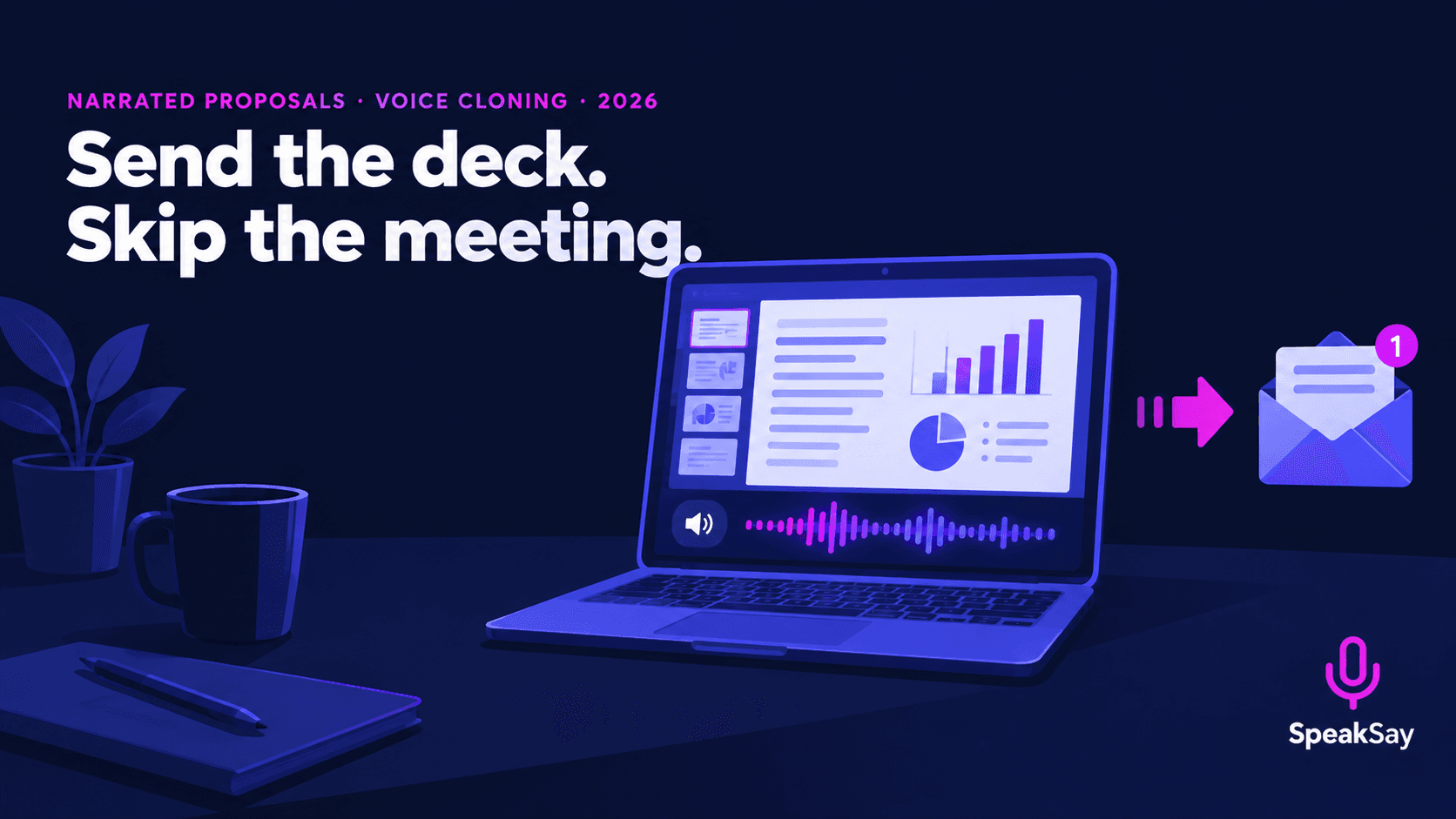
Send the Deck Without the Meeting: How to Narrate a Sales Proposal or Client Presentation in Your Own Cloned Voice So It Gets Heard, Not Skimmed (2026)
A proposal sent as slides is skimmed in ninety seconds and forwarded without context. This guide shows consultants, freelancers and sales teams how to turn a deck into a narrated walkthrough in their own cloned voice, with a script method, an edit workflow and a consent checklist.
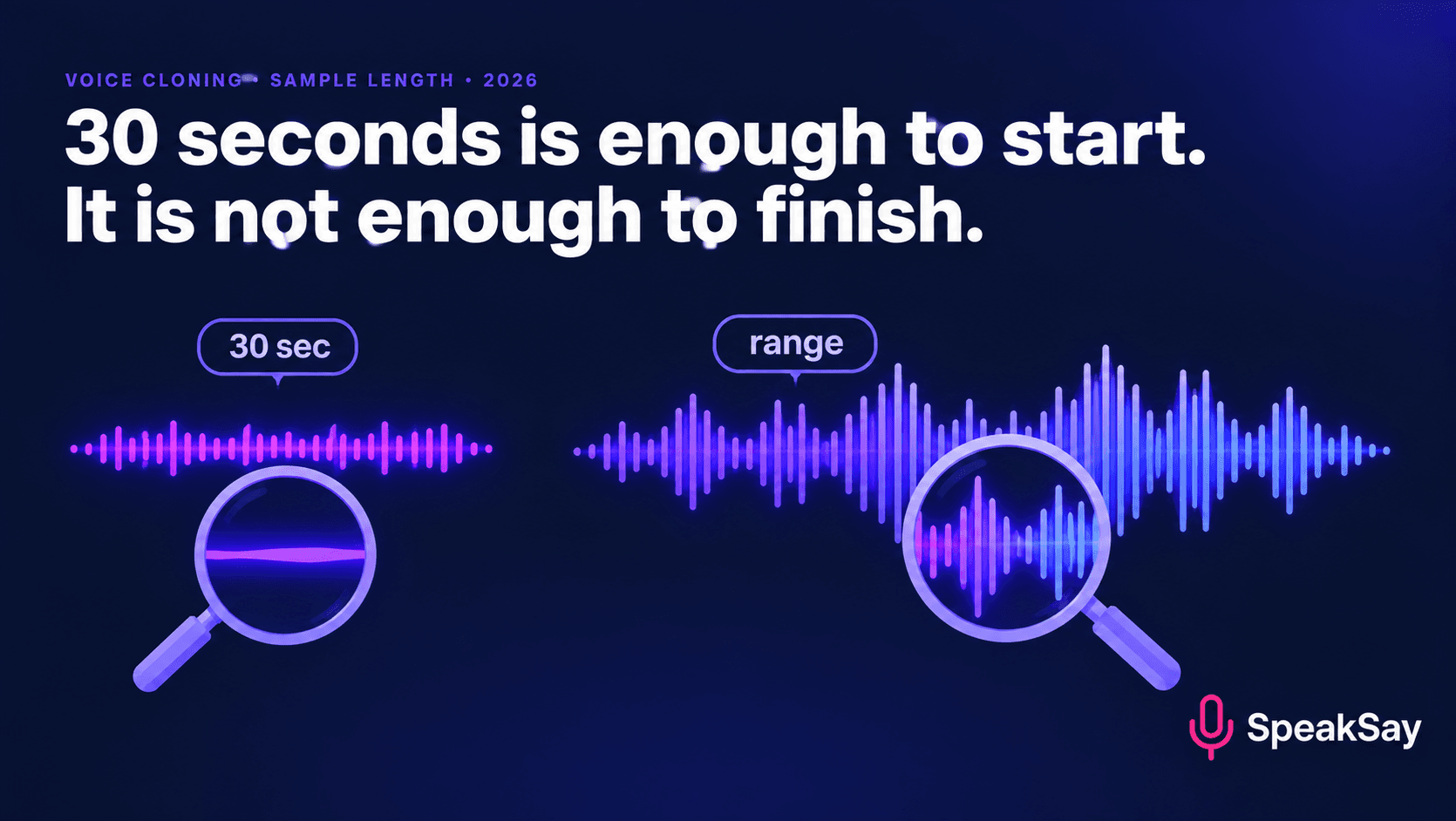
A 30-Second Sample Can Now Clone a Voice: What Those 30 Seconds Capture, What They Miss, and a Five-Line Test to Decide If You Need More (2026)
Google's new Gemini TTS can reportedly clone a voice from a 30-second sample. A short sample captures how you sound. It does not capture how you sound when you are excited, quiet, fast or reading for three hours. Here is what to expect from a short sample, how to record a good one, and a five-line test that tells you whether you need more audio
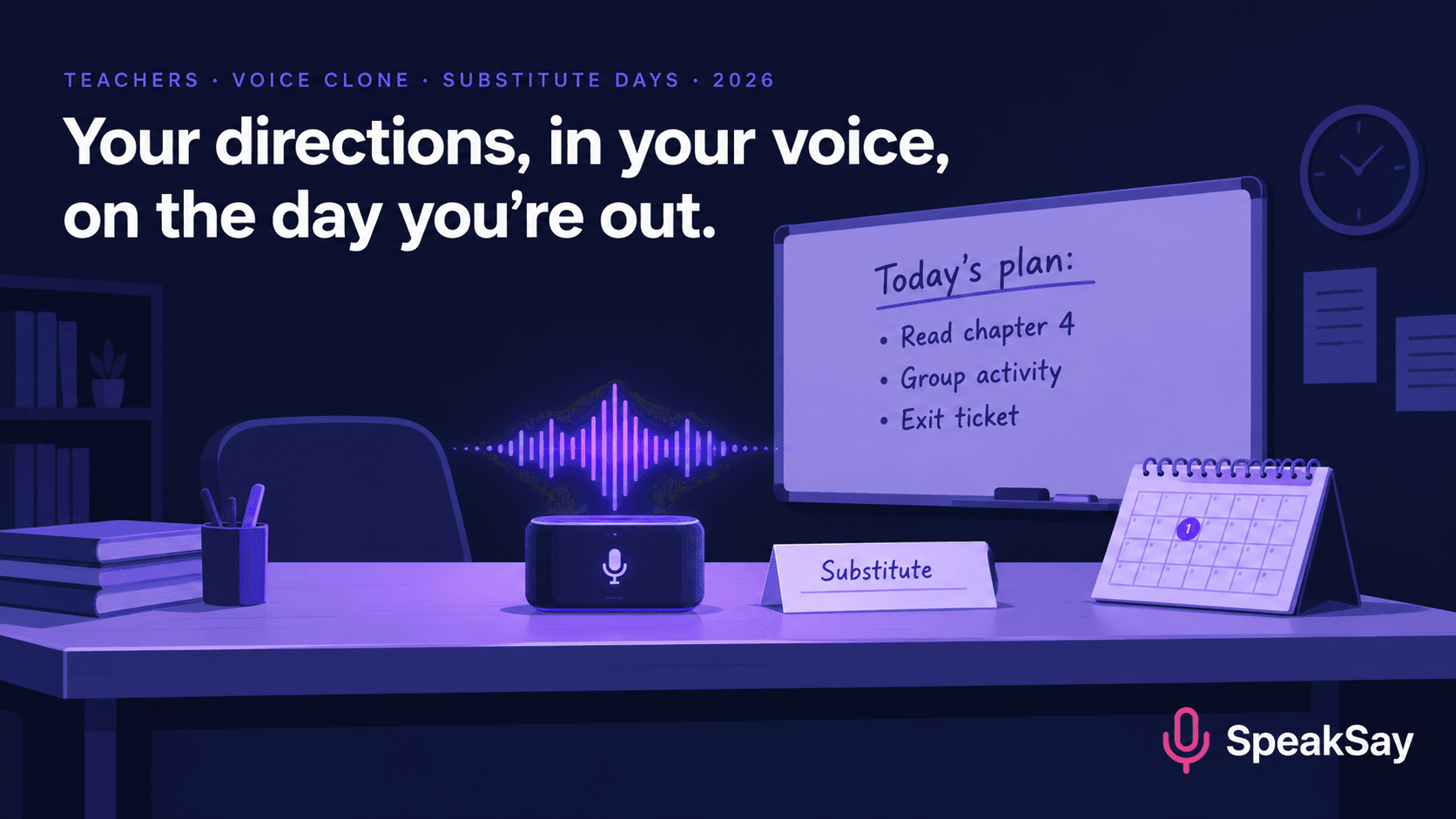
Teachers Miss About 11 of 186 School Days a Year: Record Your Directions Once and Let Your Own Voice Guide the Substitute Day (2026)
cher-voice-clone-substitute-day-audio-directions-2026 Excerpt: US teachers miss around 11 school days a year, and last-minute absences are the ones least likely to get a substitute. A teacher's voice clone, used only for routines and directions, can keep the class on track when the teacher can't be there. Here is what to voice, what not to, and what to check with your school first.
The Best Pronunciation Model Is Your Own Voice: Shadowing With a Voice Clone (the "Golden Speaker" Method, 2026)
Pronunciation researchers have spent two decades asking whose voice a learner should imitate. The answer keeps coming back: a voice like your own. With a voice clone, you can hear target sentences in your own voice, so the only difference between you and the model is pronunciation. Here's the evidence, the limits, and a 15-minute daily routine.
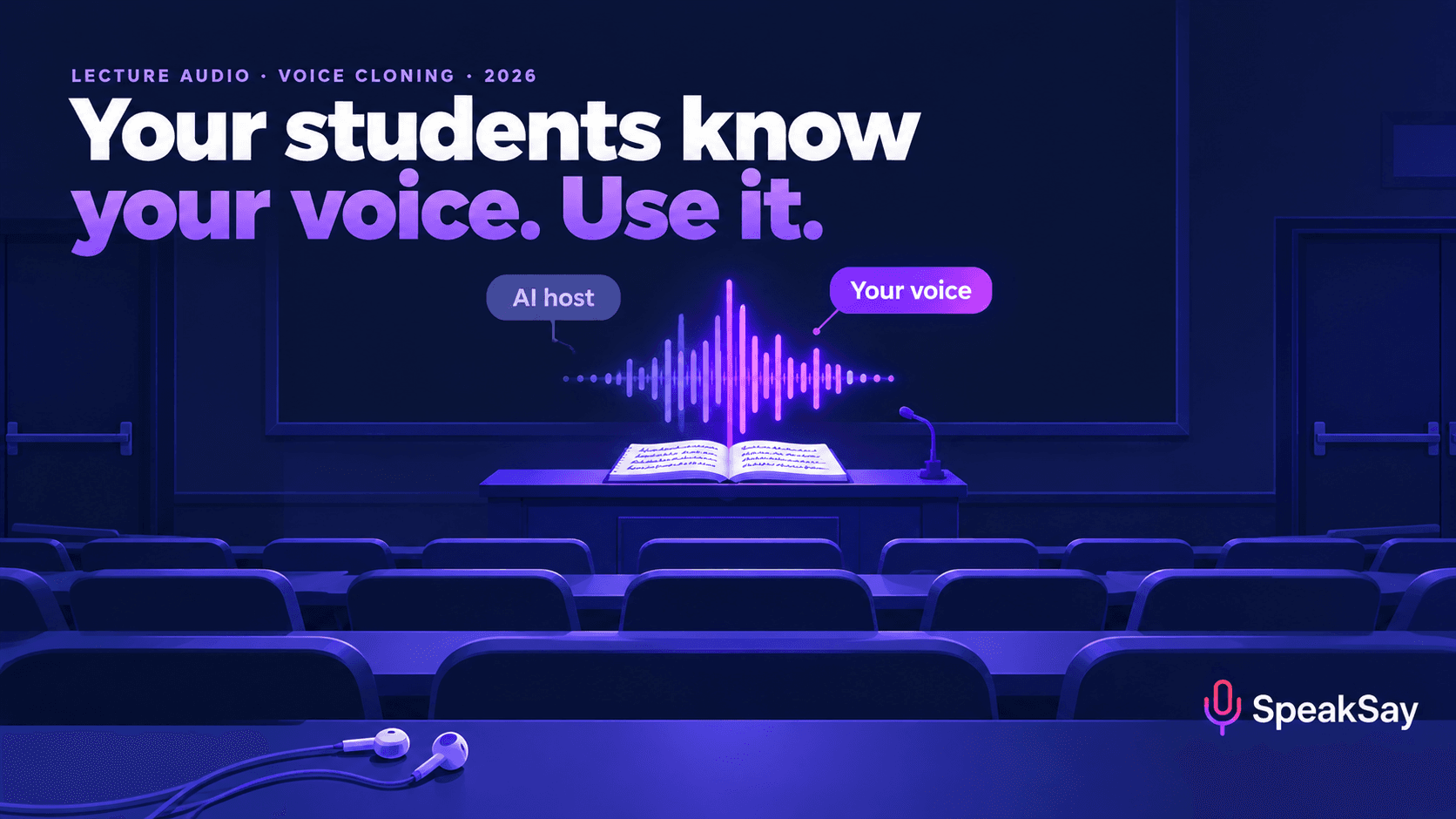
NotebookLM Is Testing a 30-Minute Lecture Mode. Your Students Would Rather Hear You: Turn Your Notes Into Lectures in Your Own Cloned Voice (2026)
NotebookLM has been testing a single-host Lecture format that turns your sources into talks up to about 30 minutes long. For students studying on their own, that's useful. For instructors, it's a stranger's voice interpreting your material. Here's when to use it, when to lecture in your own cloned voice instead, and a workflow for building a semester of short audio lectures that sound like you.
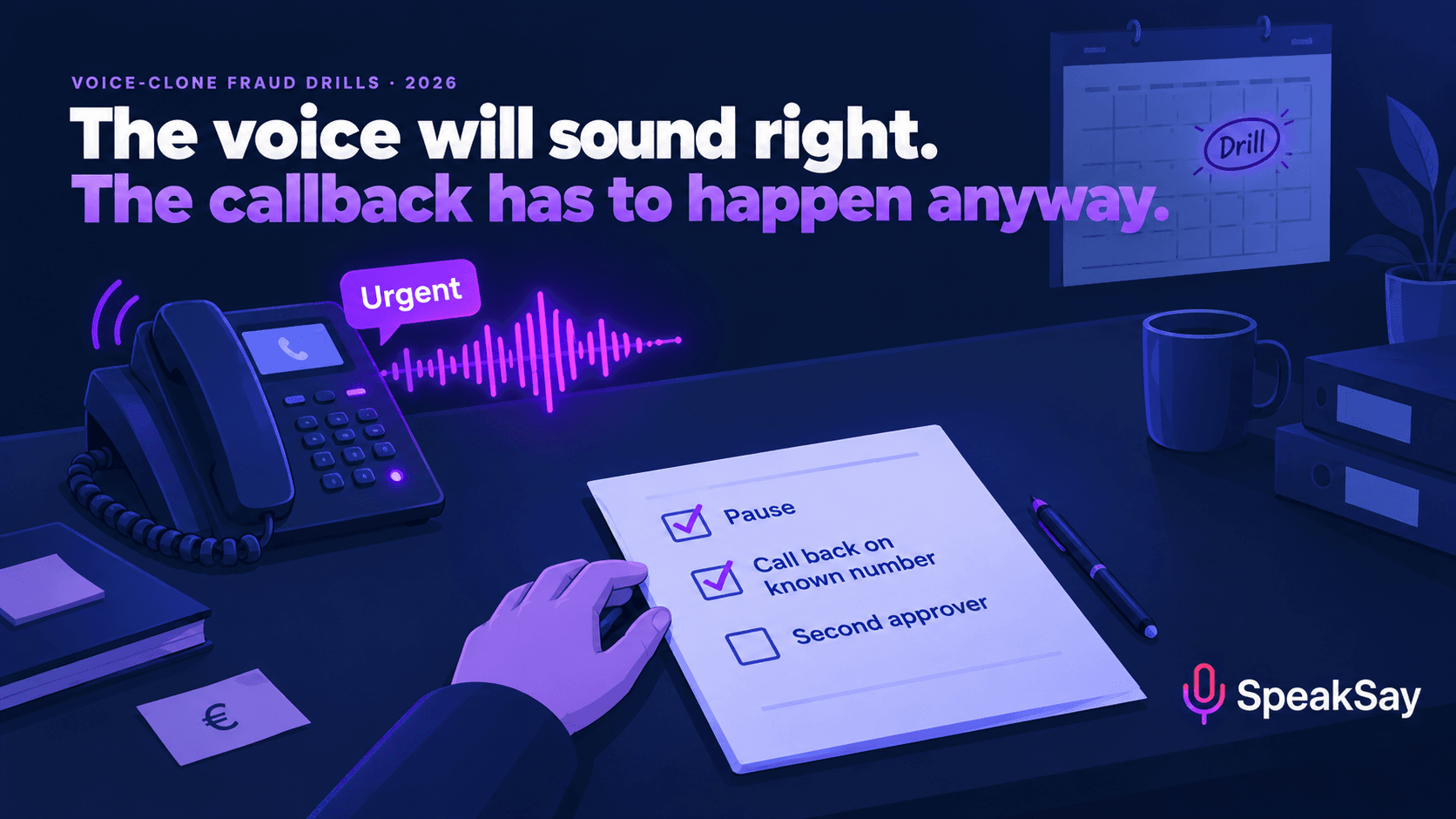
A Cloned Voice Helped Move €95 Million: Run a Consent-Based Voice-Clone Fraud Drill on Your Finance Team (2026)
A cloned voice helped persuade an Italian private bank to move €95 million. The lesson isn't "learn to spot fakes"; people can't reliably. It's "make the callback happen every time". Here's how a small business can run a consent-based drill using a clone of its own executive's voice, with legal sign-off, no money at risk and a no-blame debrief.
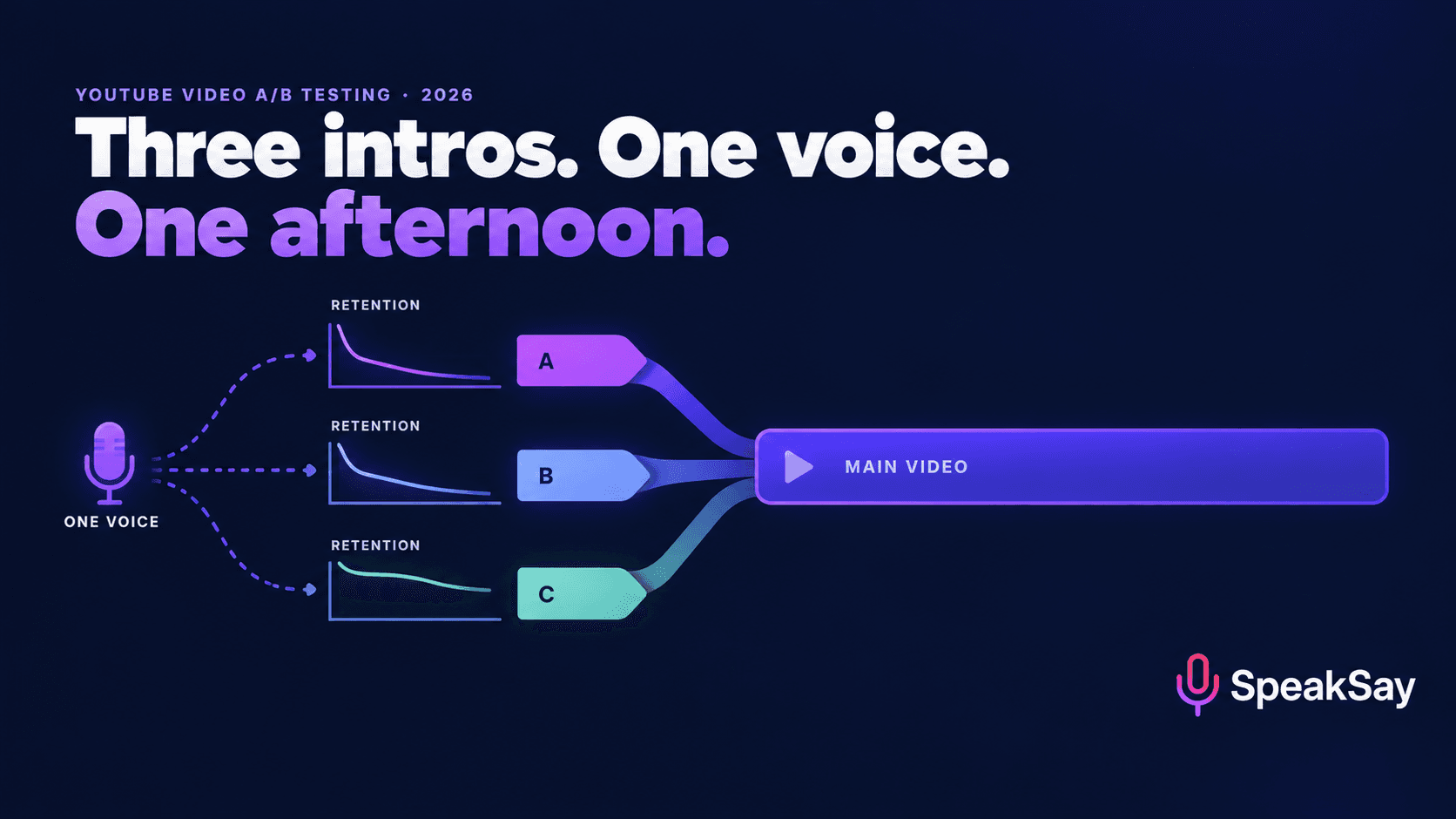
YouTube Will Test Three Cuts of Your Video: Make Three Intros in One Afternoon With Your Voice Clone (2026)
YouTube showed full-video A/B testing at Made on YouTube 2026: upload up to three cuts and see a retention curve for each. Most creators will test different openings, and re-recording three cold opens that match is the hard part. Here's what YouTube has confirmed so far, what to vary, and how a clone of your own voice lets you make intros B and C from text that match the rest of the video.
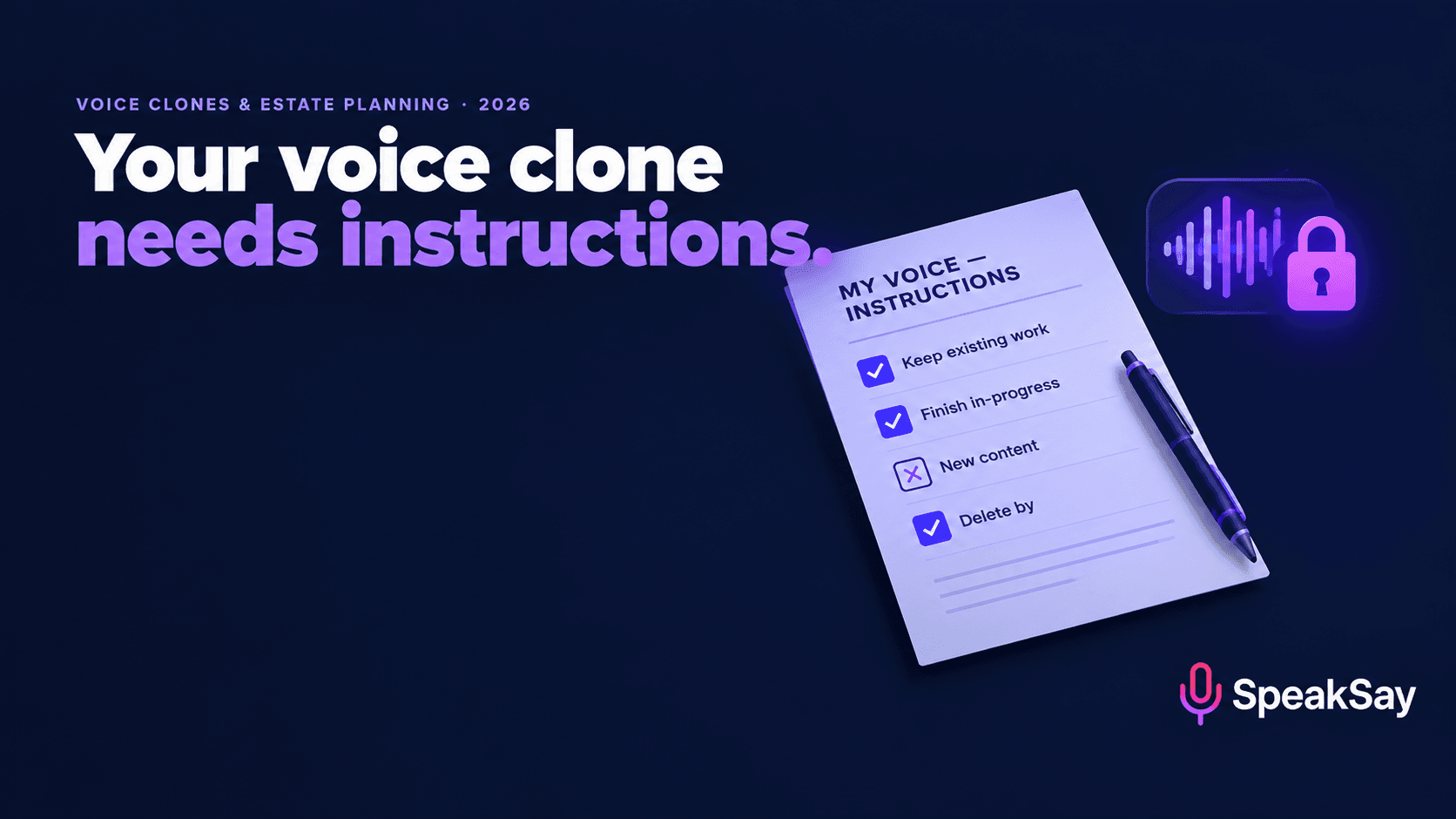
Who Controls Your Voice Clone After You Die? Write the Instructions Now (2026)
If you've cloned your own voice, it will outlast you unless someone deletes it, and right now nobody knows what you'd want. State laws give your heirs control, a federal bill would add registration and renewals, and none of it records your wishes. Here are the four decisions to make, the inventory to write down, and a one-page template.
Take a Break in January, Not December: Bank Your Holiday Videos Now With a Voice Clone (2026)
December has the highest ad rates of the year, and January has some of the lowest. Most creators still go quiet in December. This guide shows how to narrate December's uploads in October and November with a clone of your own voice, what you can't bank, and how to take the real break in January when going quiet costs the least.
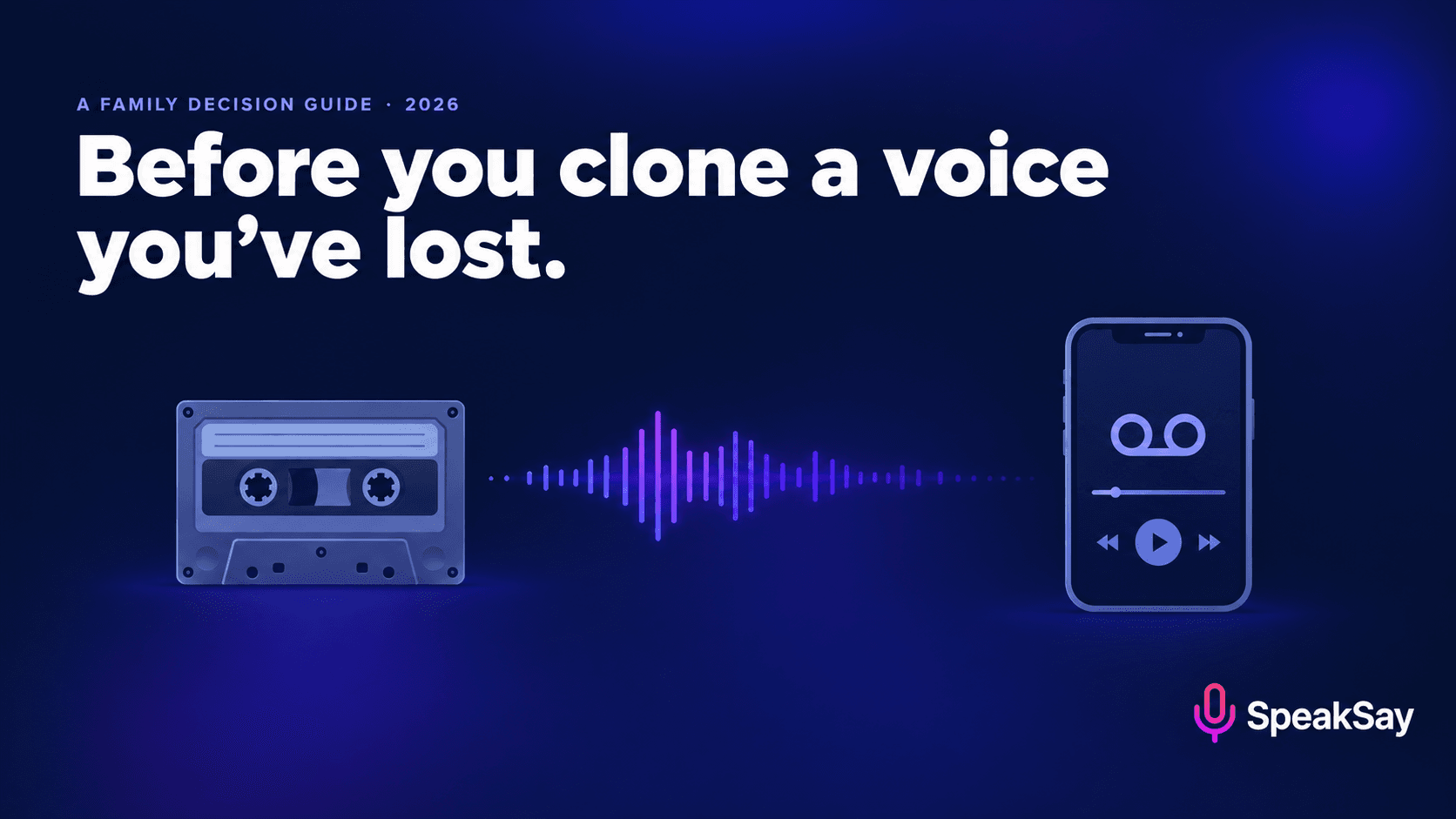
Should You Clone the Voice of Someone Who Has Died? Consent, Family and What to Decide First (2026)
It's now technically possible to rebuild a late parent's or partner's voice from voicemails and home videos. Whether you should is a different question, and it has more to do with consent, family agreement and what you'll actually use it for than with the technology. A practical, honest decision guide.
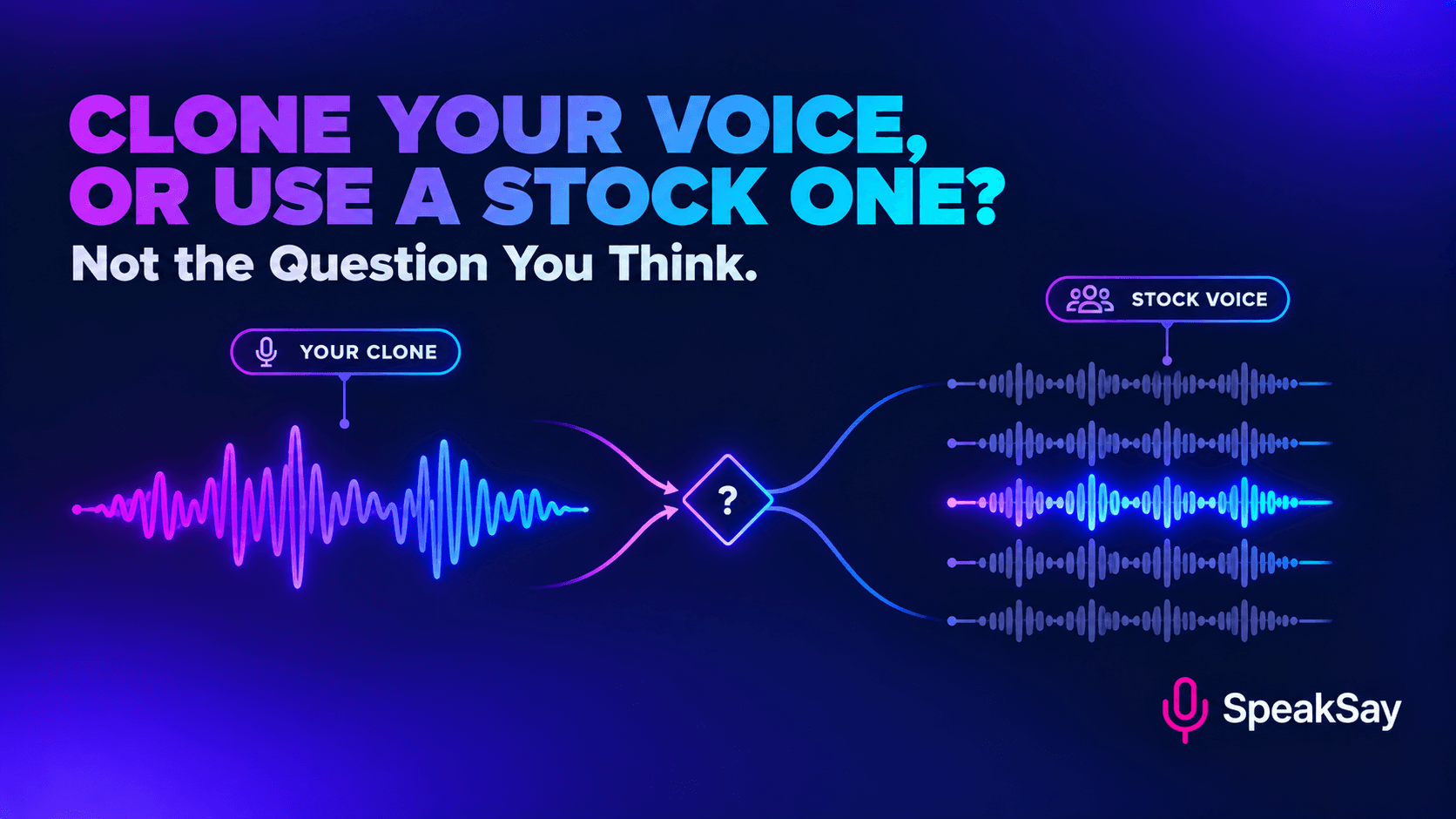
Clone Your Own Voice or Use a Stock AI Voice? The 2026 Decision Guide (and the Emotional Range Trade-Off Nobody Mentions)
Most advice says clone your voice because it's "authentic". That skips the actual trade-off: a clone of an average speaker usually has less usable expressive range than a professionally-built stock voice. Here's the honest decision framework.
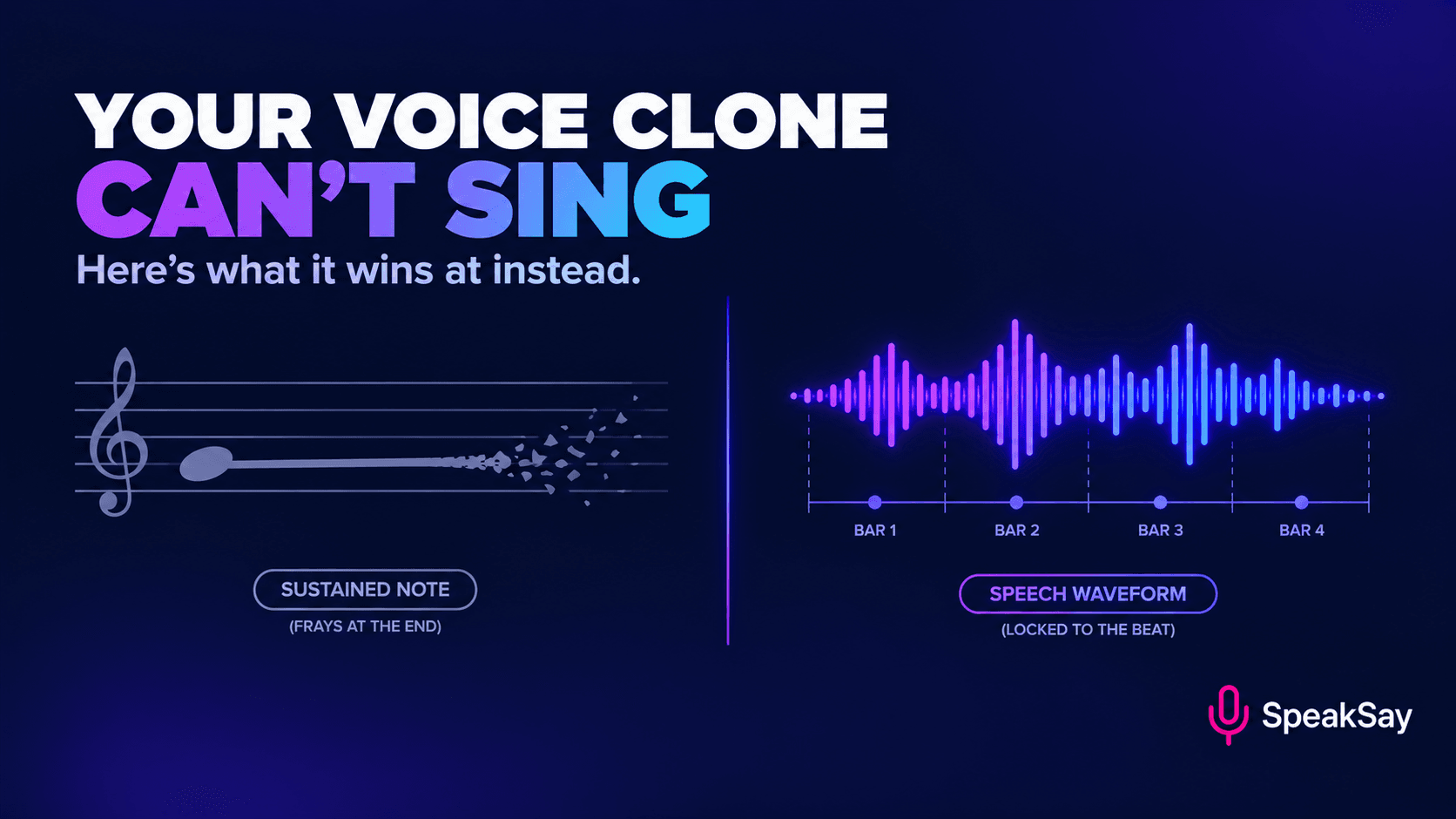
Why Your Voice Clone Can't Sing (and What to Make Instead)
Speech clones fail at singing for a structural reason, not a settings reason — strained high notes, blurred runs, smeared consonants, flattened emotion. Here's the honest explanation, and the music formats a speech voice genuinely wins at.
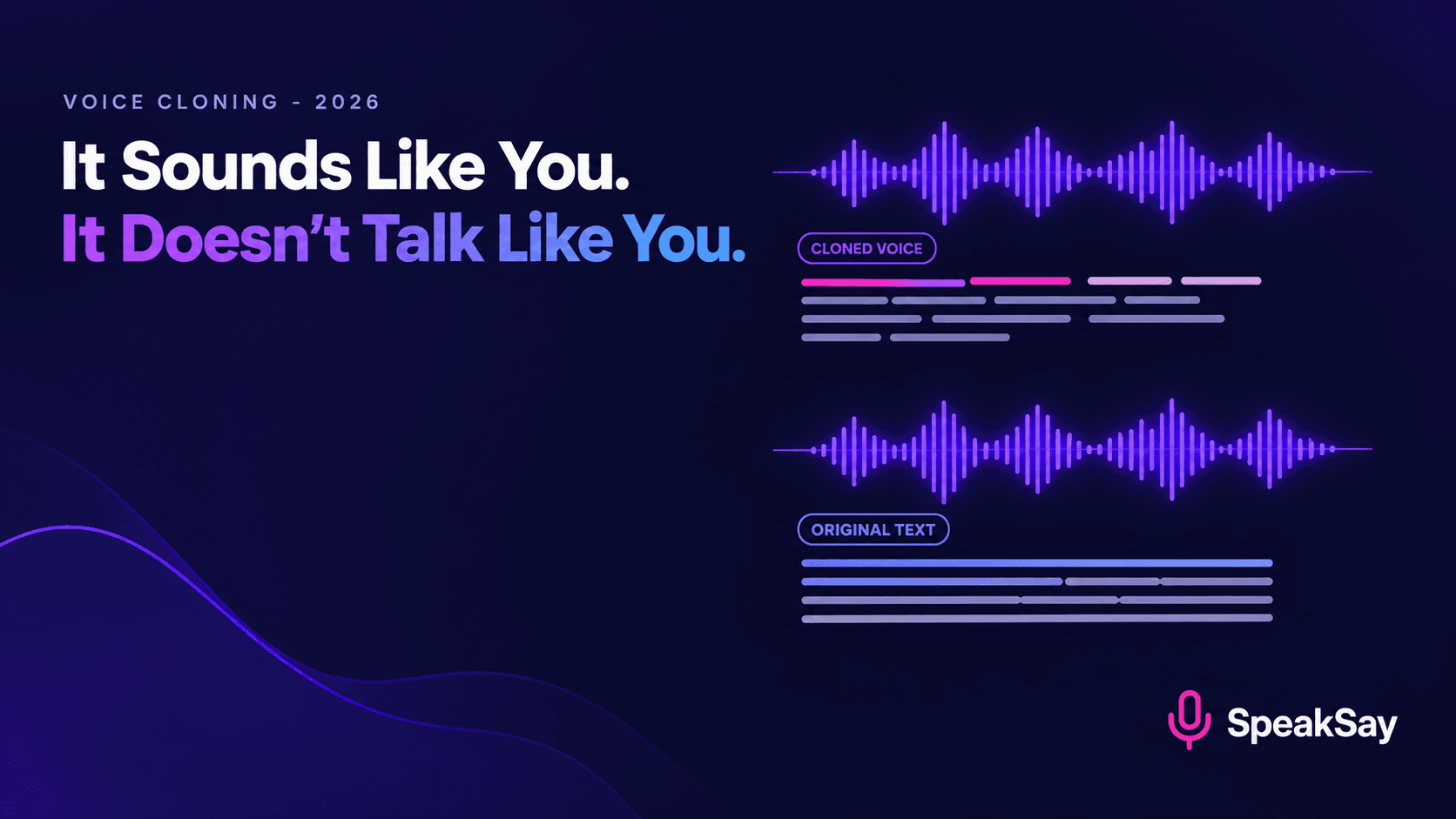
Your Voice Clone Sounds Like You but Doesn't Talk Like You: The 2026 Idiolect Playbook
Your clone passes a blind timbre test and your audience still says it doesn't sound like you. That gap is lexical, not acoustic. Here is how to mine your own transcripts, build an idiolect sheet, and rewrite scripts so the person comes back - not just the voice.
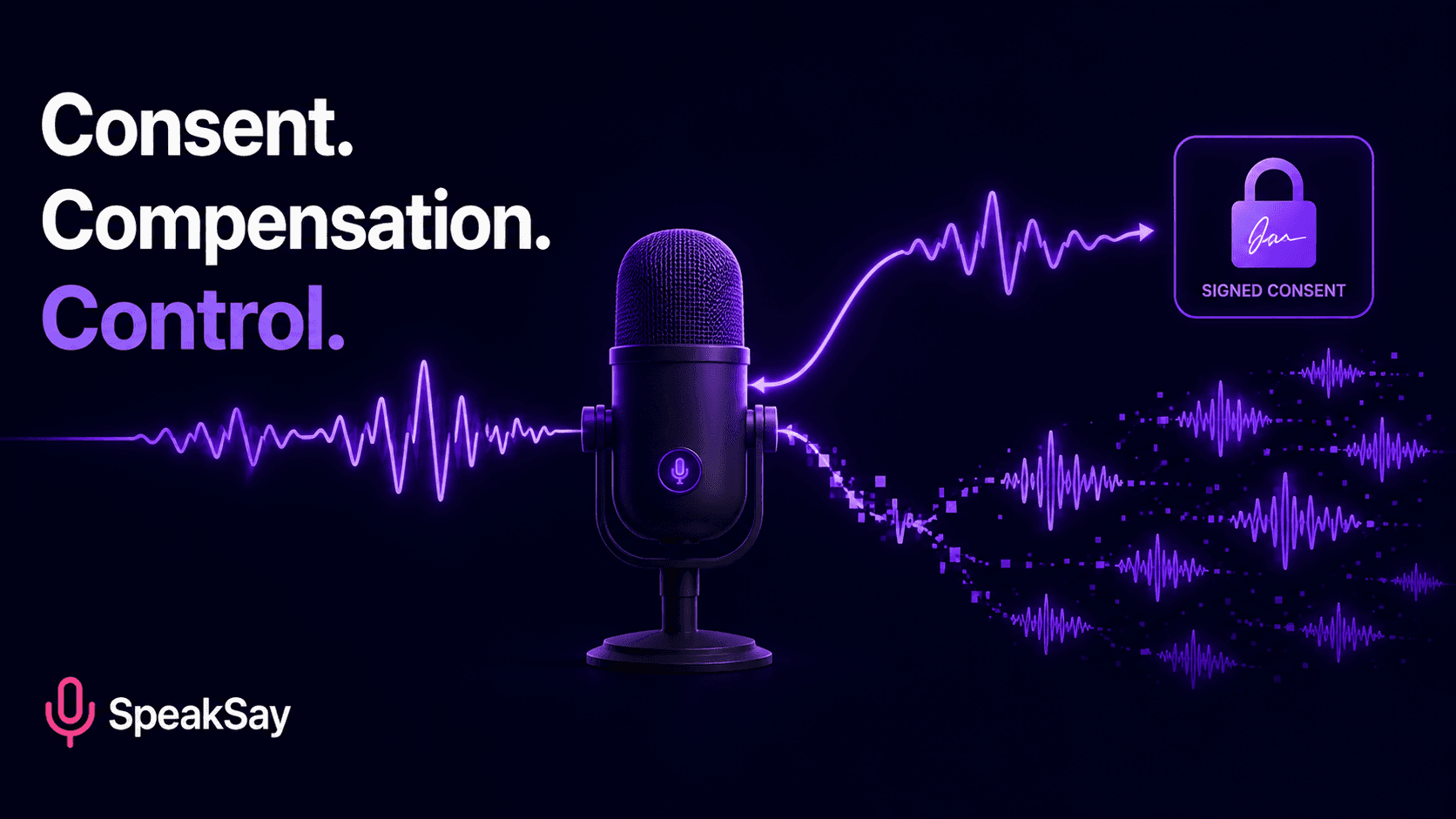
Actors Are Campaigning to Ban AI Voice Cloning: What "Save Our Voices Now" Means If You Clone Your OWN Voice (2026)
British actors and comedians are backing a campaign called Save Our Voices Now, and creators who clone their own voice are asking whether they are now the bad guys. Read the campaign's actual asks - consent, compensation, control - and you get a clear, defensible answer, plus templates you can publish today.
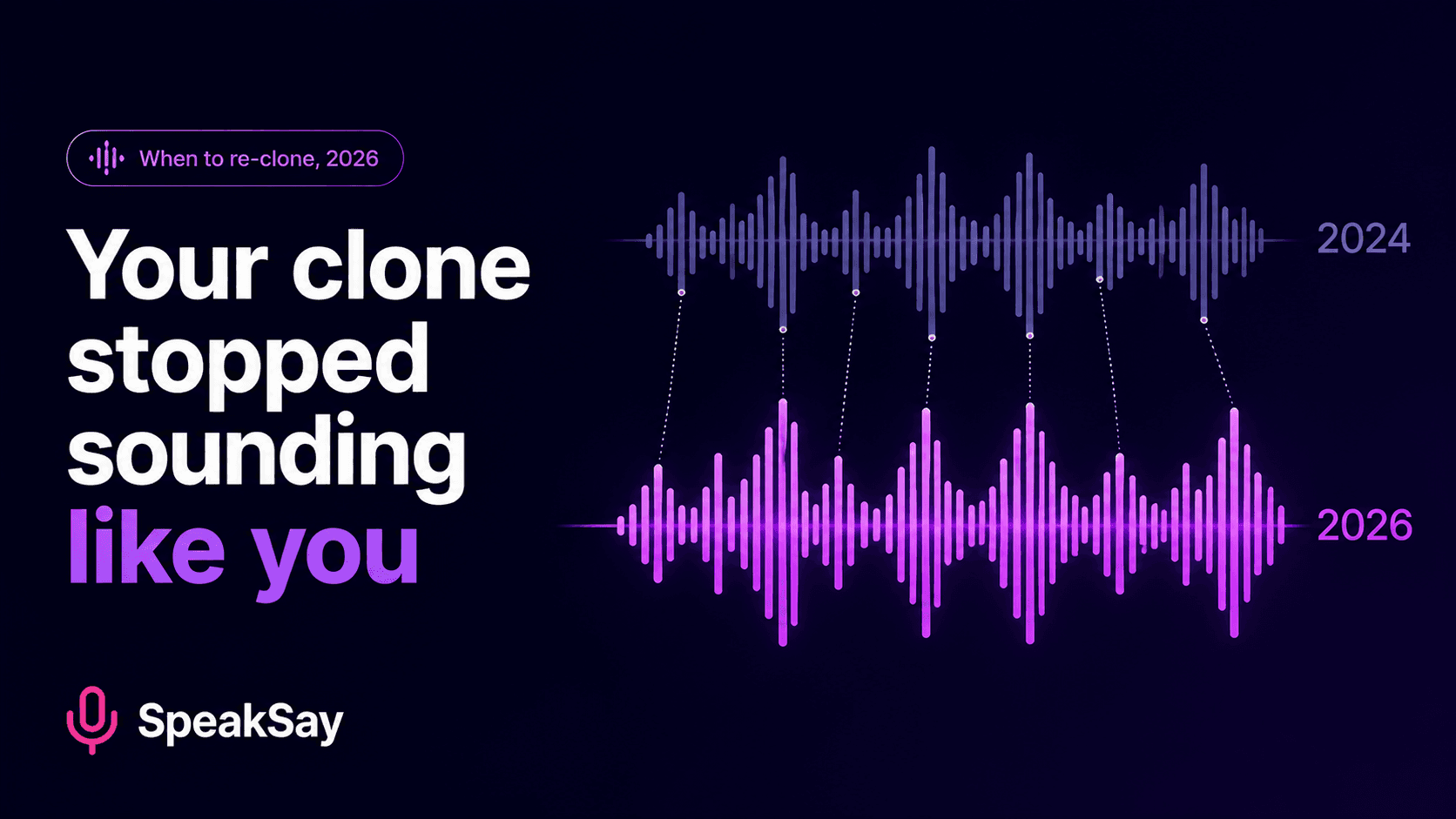
Your Voice Clone Is Two Years Old: When to Re-Clone, and How to Swap It Without Listeners Noticing
Everybody writes about making a voice clone. Nobody writes about maintaining one. Your voice changed, your mic changed, the model got replaced, and the sample you trained on was recorded on gear you no longer own. Here are the five signals that say re-clone, and the migration plan that stops the swap sounding like a new narrator.
Sales Teams Are Cloning the Rep's Voice for Personalised Outreach — Here's the 2026 Playbook (and the Disclosure Rules That Keep It Legal)
Reps lose hours a day recording personalised audio and video touches, and generic TTS tanks reply rates. Voice cloning fixes the throughput problem — but only with consent, disclosure and a written policy. Here's the workflow and the guardrails.
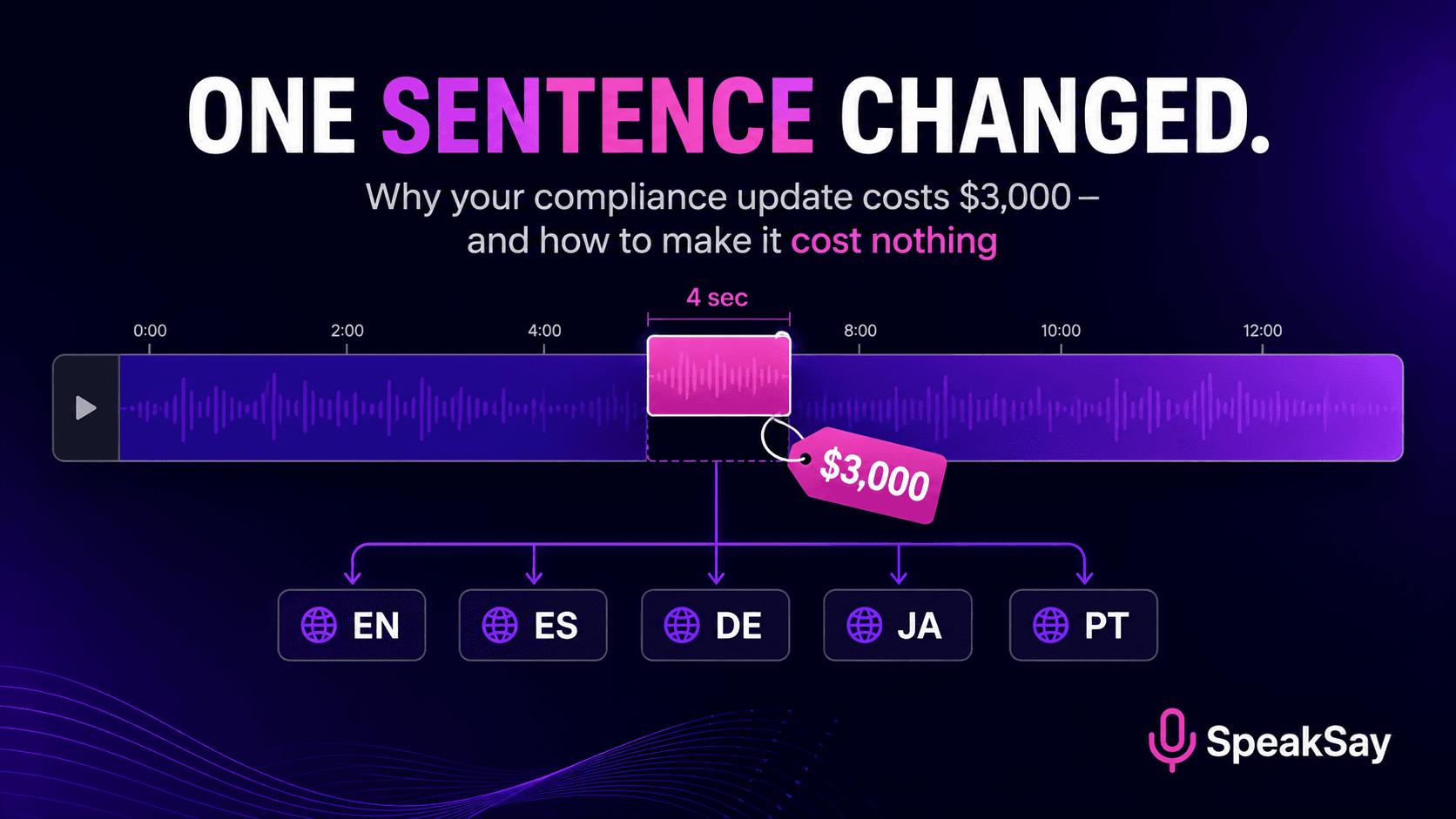
Every Compliance Update Costs You $3,000 in Re-Recording: The Corporate Training Voice-Clone Playbook (2026 L&D Guide)
A standard corporate voiceover runs $250–$2,500. Localizing one three-minute module into five languages adds $3,000–$10,000. Updating a finished video can cost up to 80% of the original production budget. Here is how L&D teams turn narration into a re-editable asset instead.
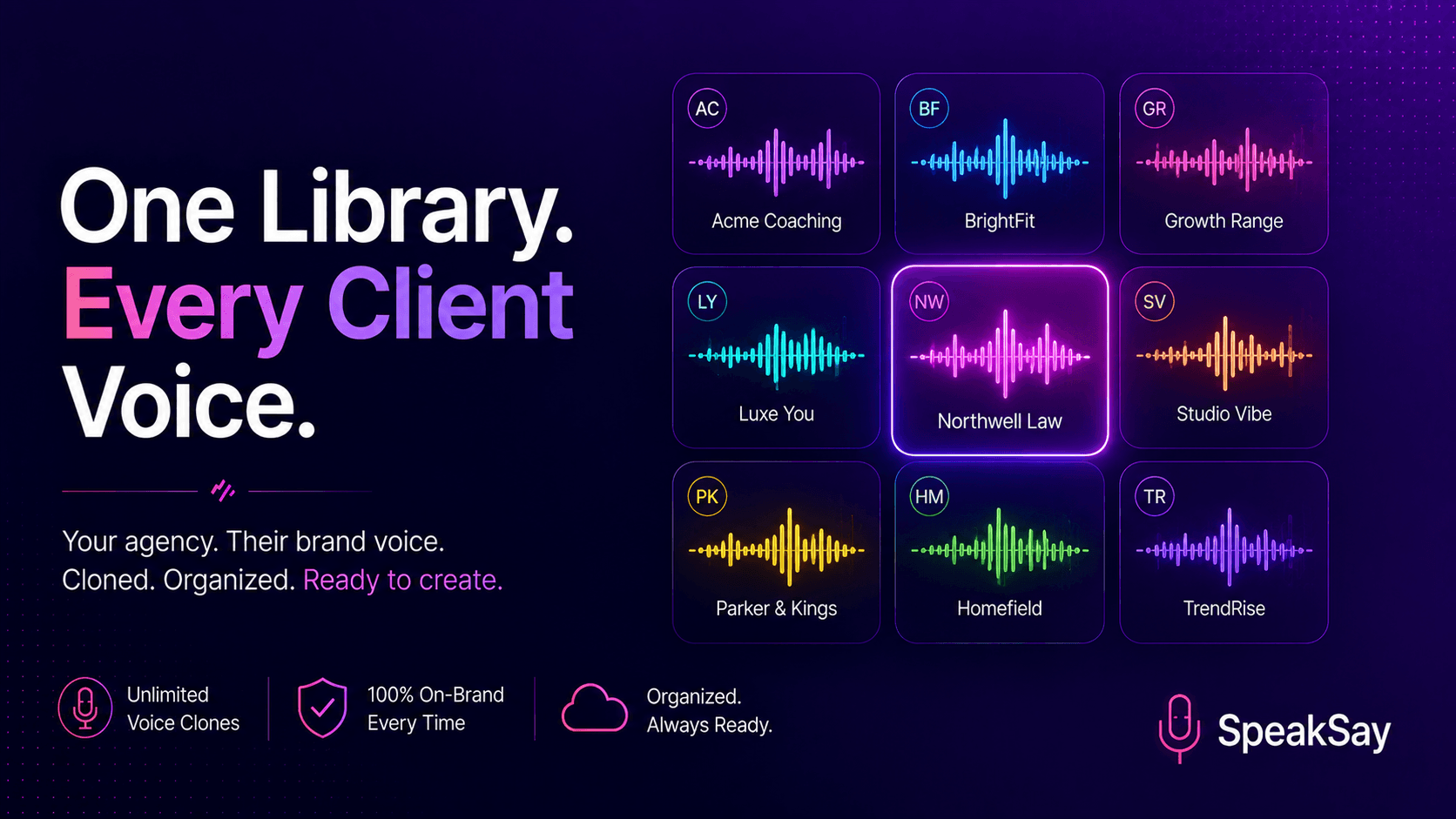
Agencies: Stop Re-Booking Voice Talent for Every Client Revision — Build a Client Voice-Clone Library (2026)
Every script revision means another talent booking, another studio fee, another 48-hour turnaround. Here's how agencies in 2026 build a consented voice-clone library across 10–30 client brands — plus the consent paperwork, pricing model and margin math.
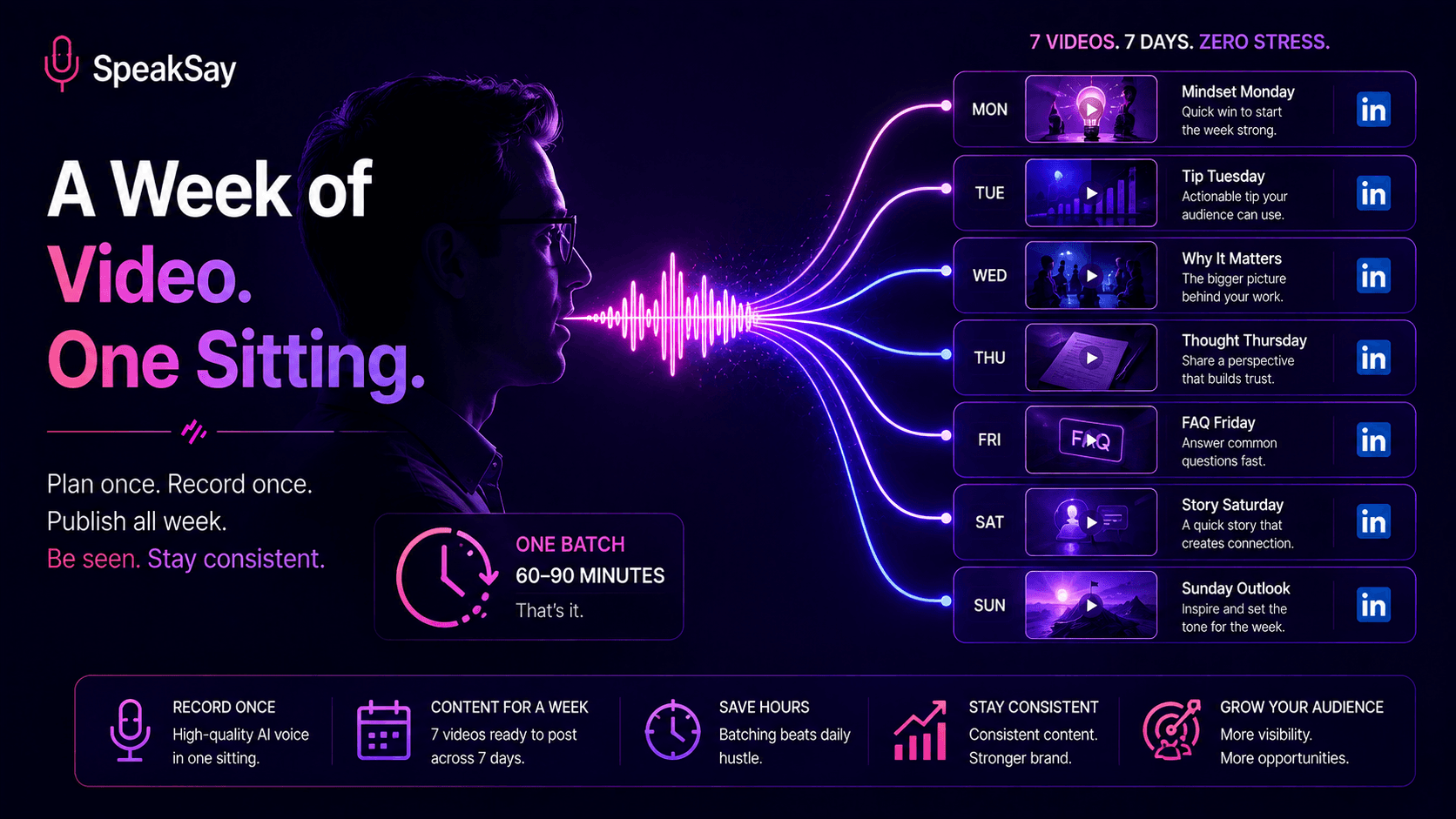
Post Video Daily on LinkedIn Without Recording Daily: The Thought-Leadership Voice Clone Workflow (2026)
LinkedIn's algorithm wants video; your calendar doesn't. The 2026 workflow: write like you always did, publish it as video in your own cloned voice — batched a week at a time, in thirty minutes
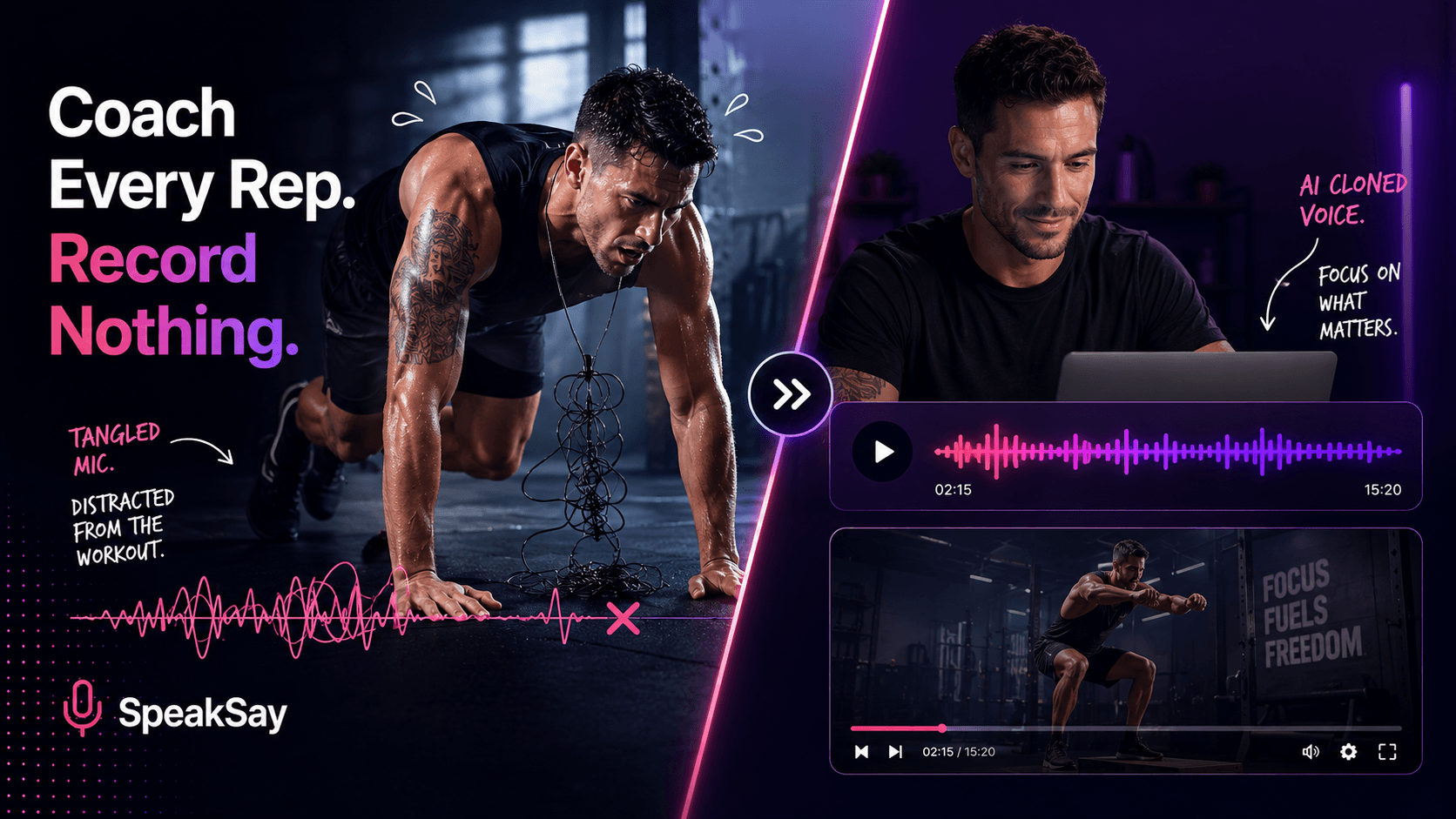
Fitness Coaches: Stop Recording Cues Out of Breath — Clone Your Voice for Follow-Along Workouts & App Audio (2026)
Recording clear coaching cues while demonstrating exercises is nearly impossible — breathless audio, gym noise, mic rigs, and hours of syncing. Here's the 2026 workflow: film silent, type your cues, and generate them in your own cloned coaching voice.
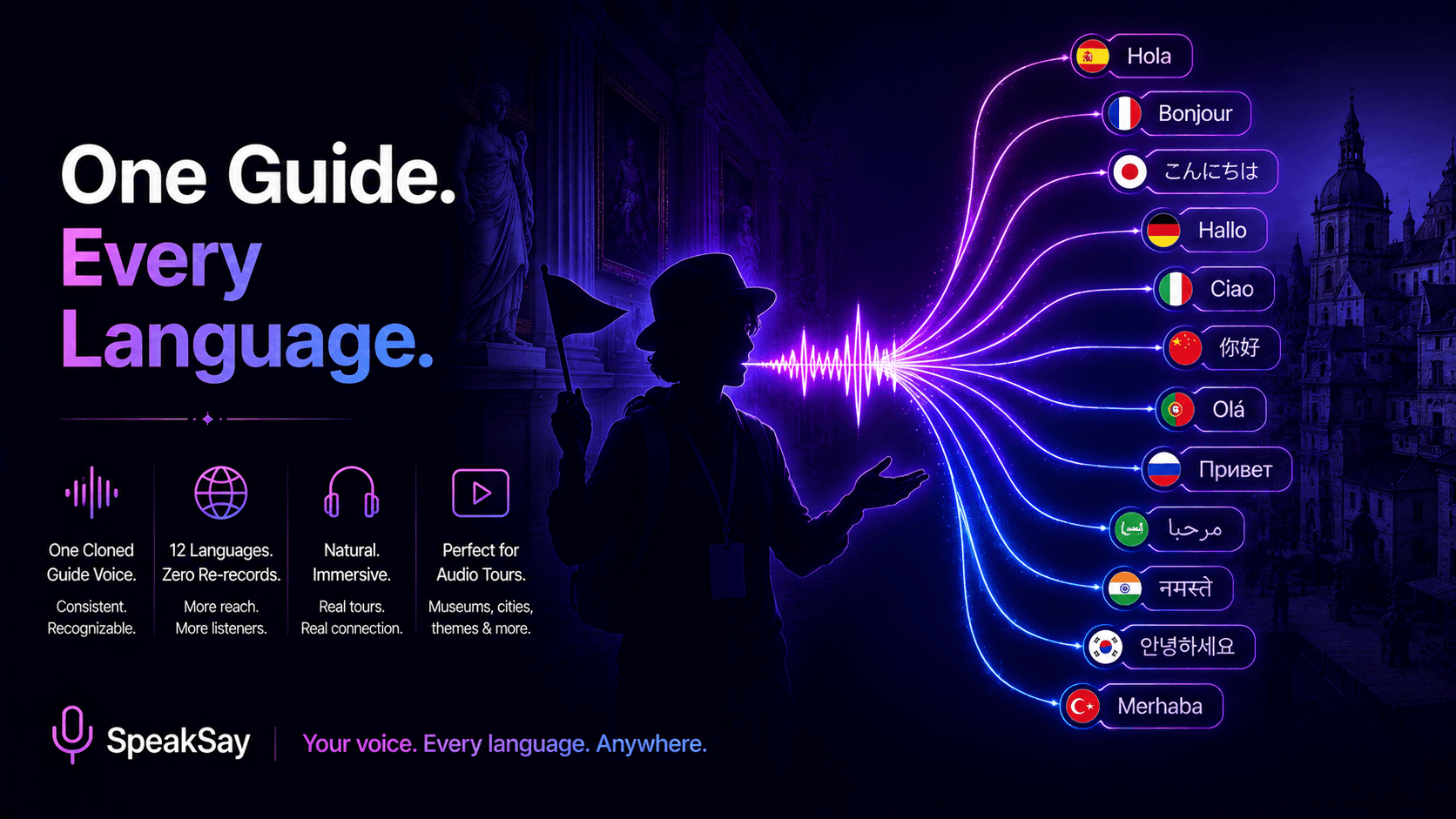
Turn Your Best Tour Guide Into a 12-Language Audio Guide: AI Voice Cloning for Museums, Tours & Airbnb Hosts (2026)
Traditional audio-guide production costs thousands per language and goes stale the moment an exhibit changes. Here's how museums, tour operators and hosts clone their most charismatic guide once and deliver every tour in 12+ languages — updated by typing, not re-recording.
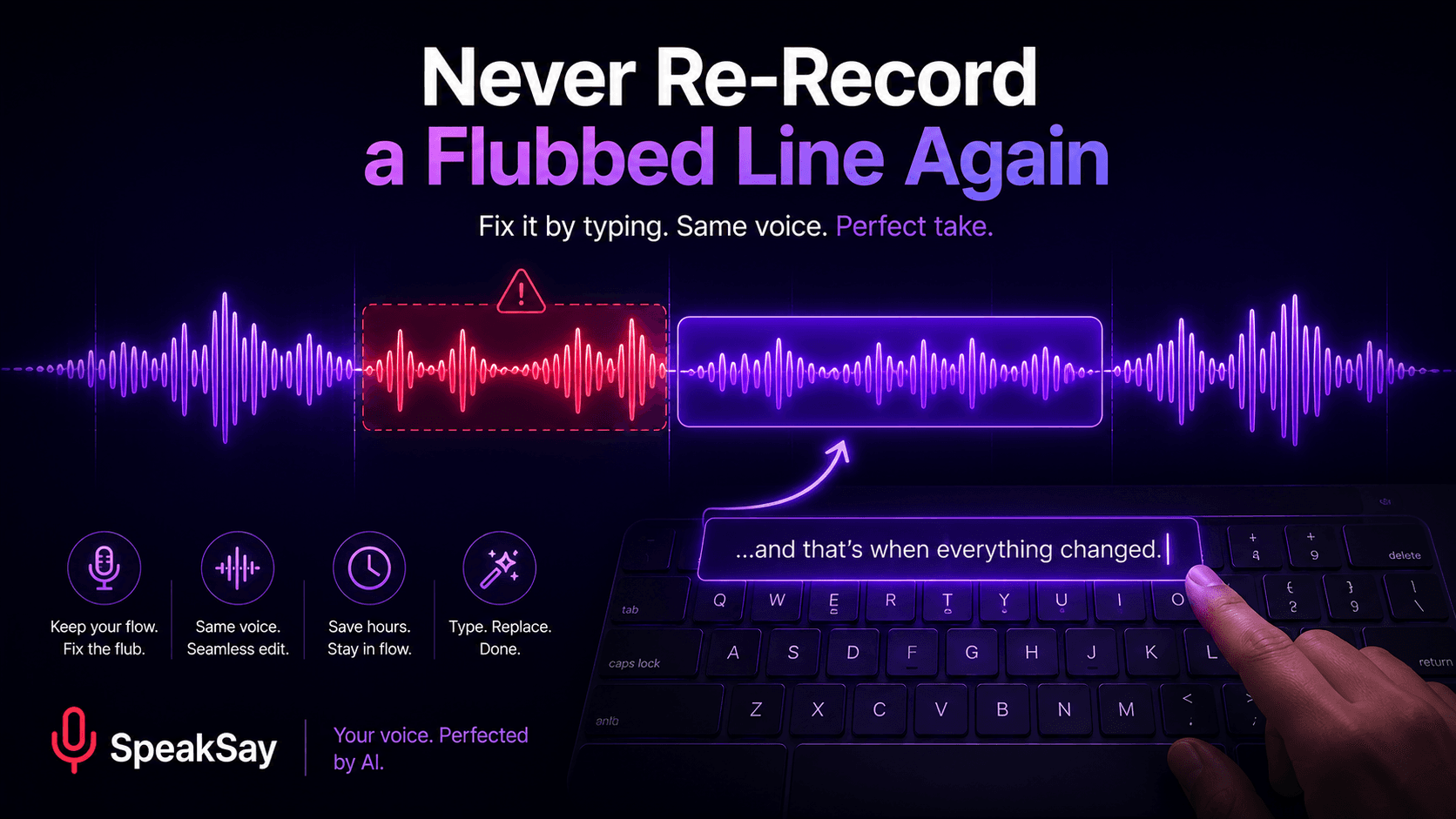
Never Re-Record a Flubbed Line Again: Fix Podcast & Video Audio Mistakes by Typing (2026 Voice Clone Workflow)
Mispronounced a name? Quoted the wrong number? Instead of re-setting your mic and chasing the same energy, clone your voice once and fix mistakes by typing the corrected line. The complete 2026 workflow.
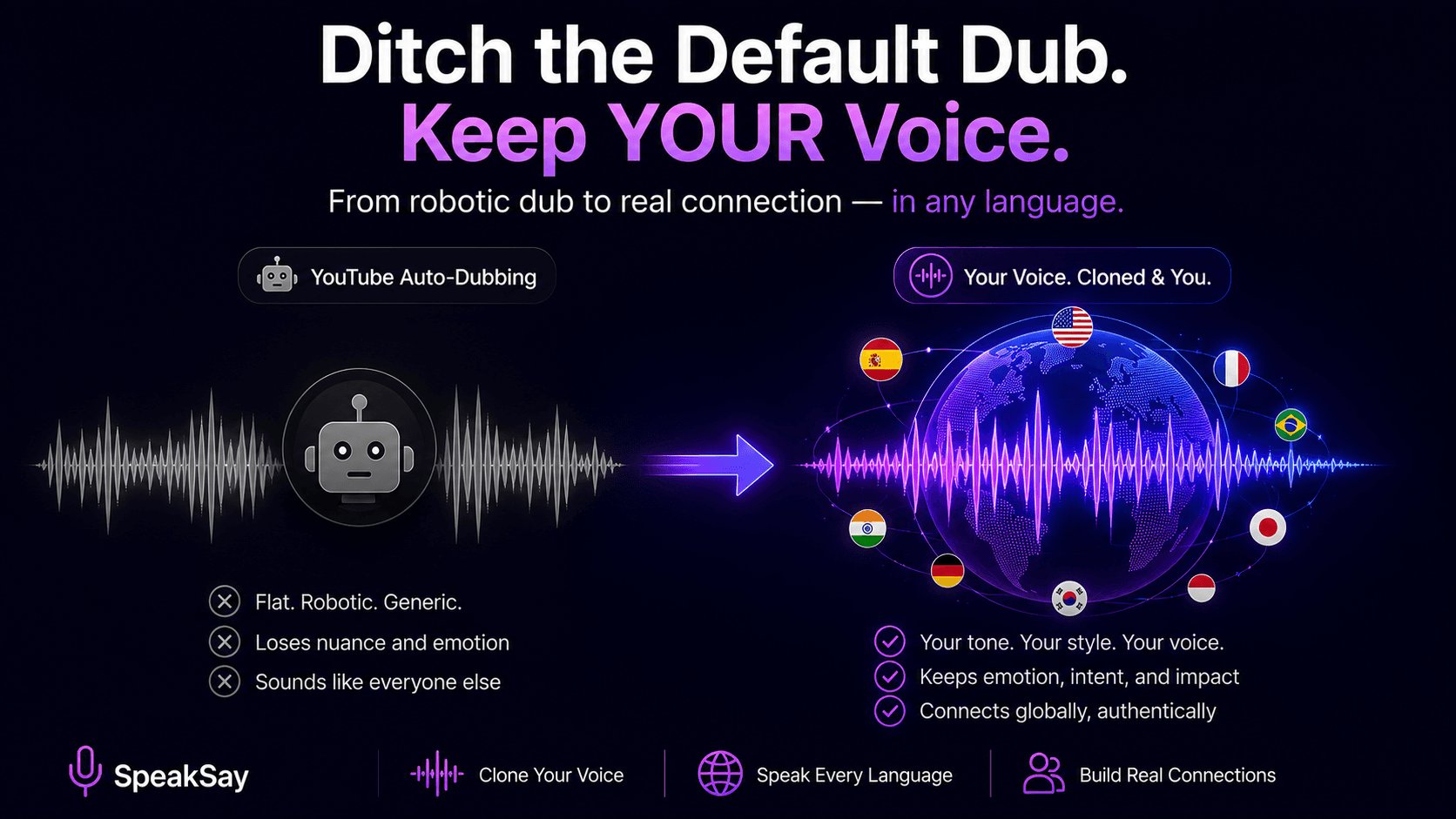
YouTube Auto-Dubbing Is Costing You International Watch Time (2026): How to Replace the Default Robot Dub With Your Own Cloned Voice
YouTube now auto-dubs your videos by default — with a generic synthetic voice that isn't yours. International viewers hear a stranger, retention drops, and your brand identity vanishes at the border. Here's how to check what auto-dub is doing to your channel and replace it with multilingual tracks in your own cloned voice.
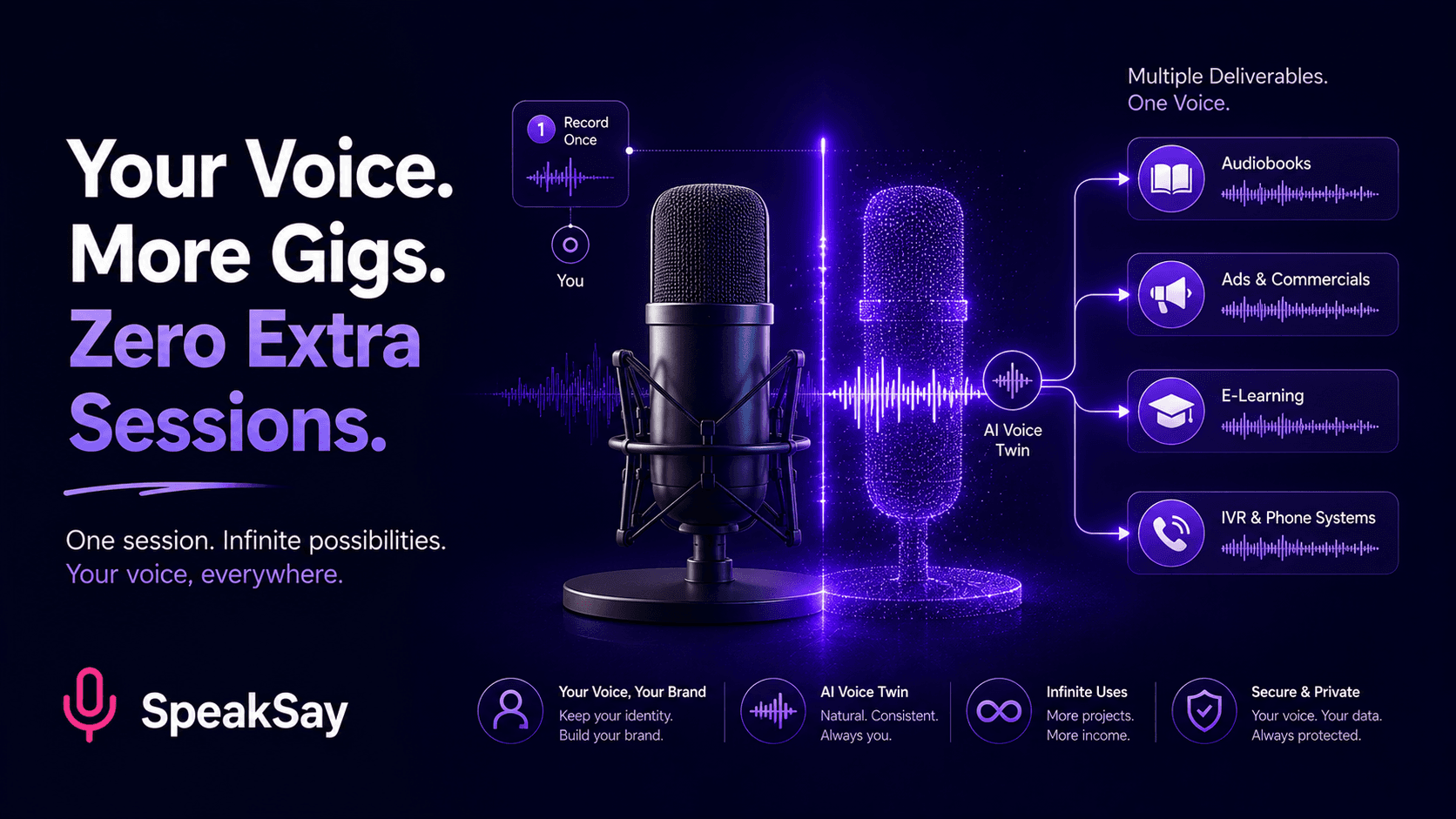
Freelance Voiceover in 2026: How VO Artists Clone Their Own Voice to Deliver More Gigs (Instead of Losing Them to AI)
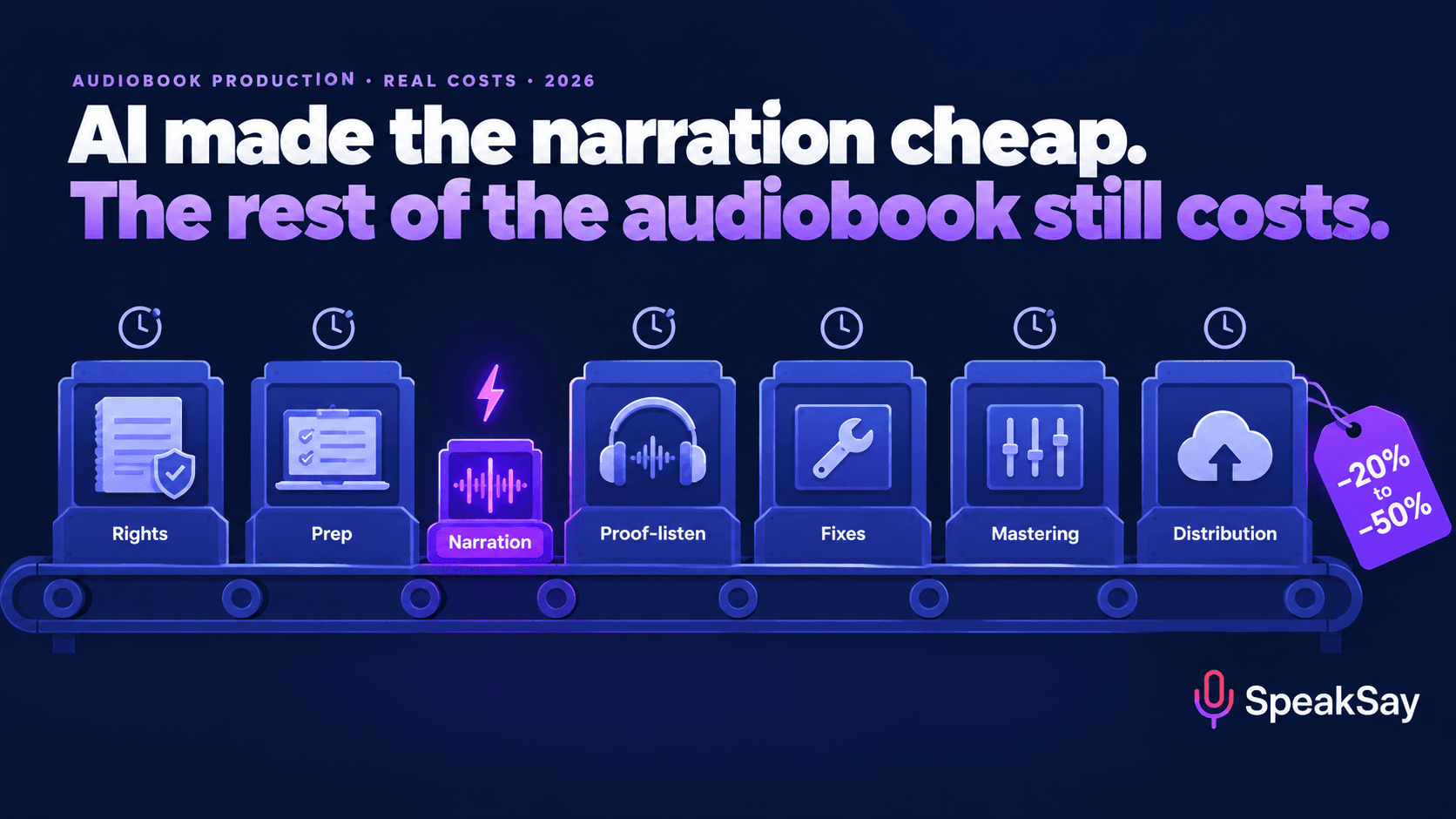
AI narration under $50 a book is pulling work from voiceover freelancers charging $2,000+. The artists still growing aren't fighting the tools — they're licensing their own clones, delivering typed revisions, and taking on gigs in languages they don't speak.
Your AI Voice Clone Sounds Too Perfect? How to Keep Your Rasp, Accent & Character (2026)
AI voice clones in 2026 have a strange new problem: they sound too clean. If your clone erased your rasp, flattened your accent, or made you sound ten years younger, here's why it happens — and how to get your real voice character back.
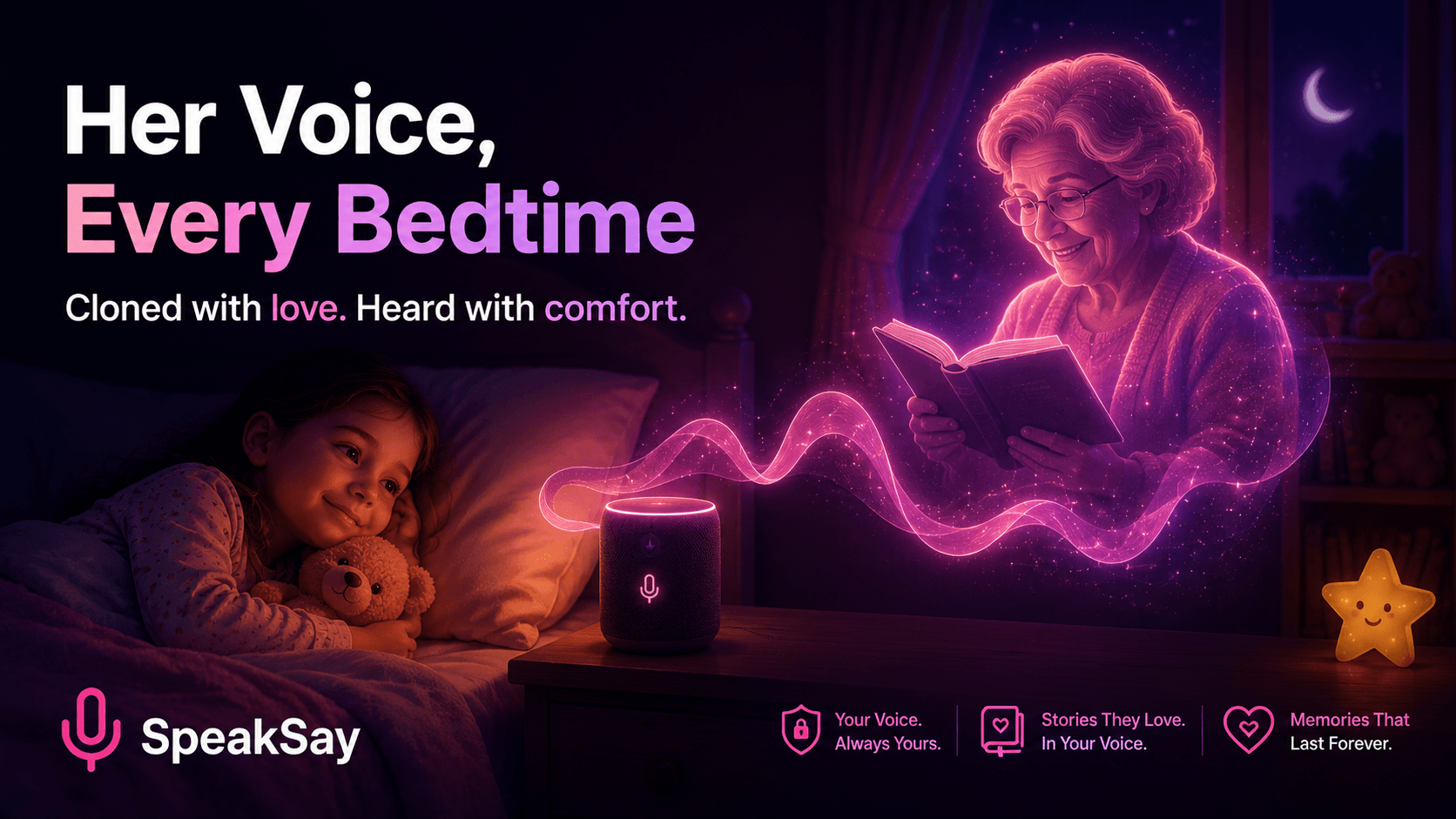
Grandma's Voice, Forever: How Families Are Cloning Loved Ones' Voices for Bedtime Stories and Voice Banking (2026)
Families are cloning grandparents' voices to read bedtime stories from thousands of miles away — and patients with ALS or Parkinson's are banking their voices before speech loss. Here's the consent-first way to do both in 2026.
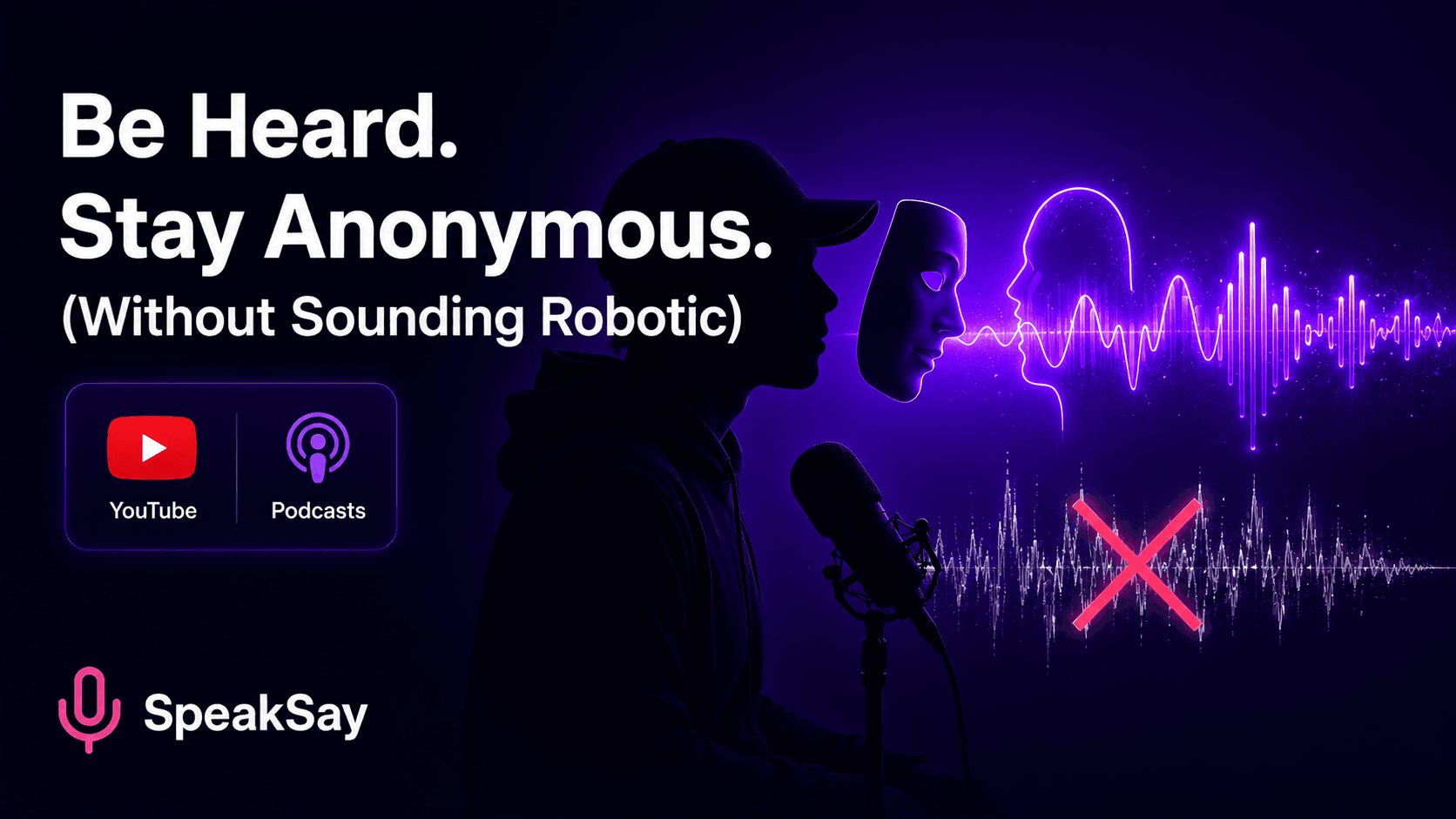
How to Start a YouTube Channel or Podcast Without Your Real Voice (Voice Privacy Without Sounding Robotic, 2026)
Want to create content without coworkers, family, or strangers recognizing your voice? Robotic voice changers kill trust, and generic stock AI voices now trigger YouTube's inauthentic-content flags. Voice remix is the third option: your performance, a different identity.
Your Voice Clone Sounds Nothing Like You? 9 Recording Mistakes That Ruin AI Voice Clones (2026 Fix Guide)
Voice clones don't fail in the AI — they fail at the microphone. Monotone reads, noisy rooms, wrong-language samples and six more input mistakes starve the model of what makes you sound like you. Here's the fix checklist.
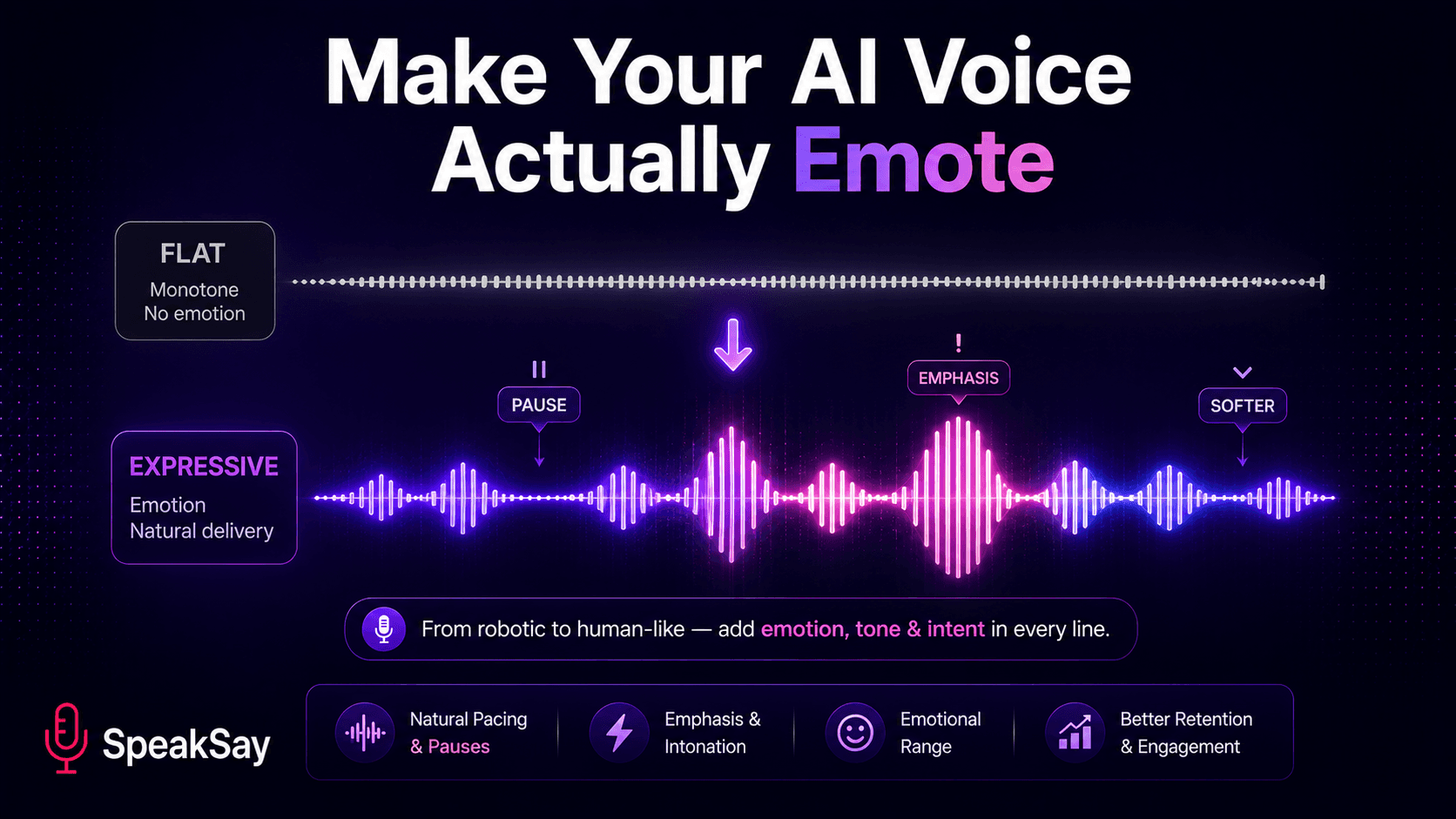
Why Your AI Voice Sounds Flat and Emotionless — How to Make It Actually Emote (2026 Guide)
Your AI narration is accurate but dead — no warmth, no emphasis, no feeling. The cause is rarely the model; it's the input. Here's how to direct an AI voice to emote, from reference clips to emphasis and pauses, so it sounds like a person who cares.
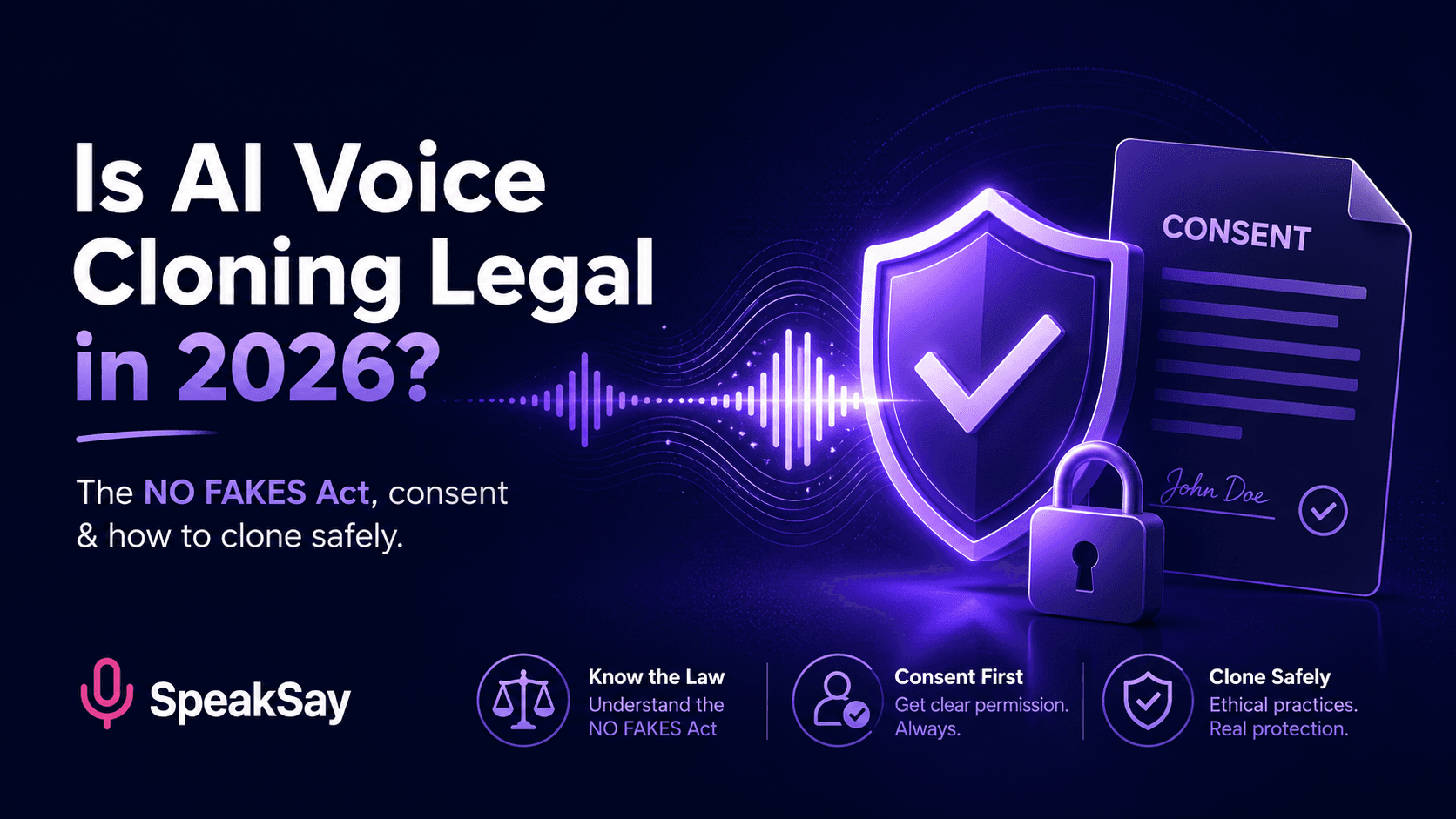
Is AI Voice Cloning Legal in 2026? The NO FAKES Act, Consent Rules & How to Clone a Voice the Right Way
Worried you'll get sued for cloning a voice? Here's what the NO FAKES Act and 2026 consent rules actually require — plus a simple checklist to clone voices safely and legally.
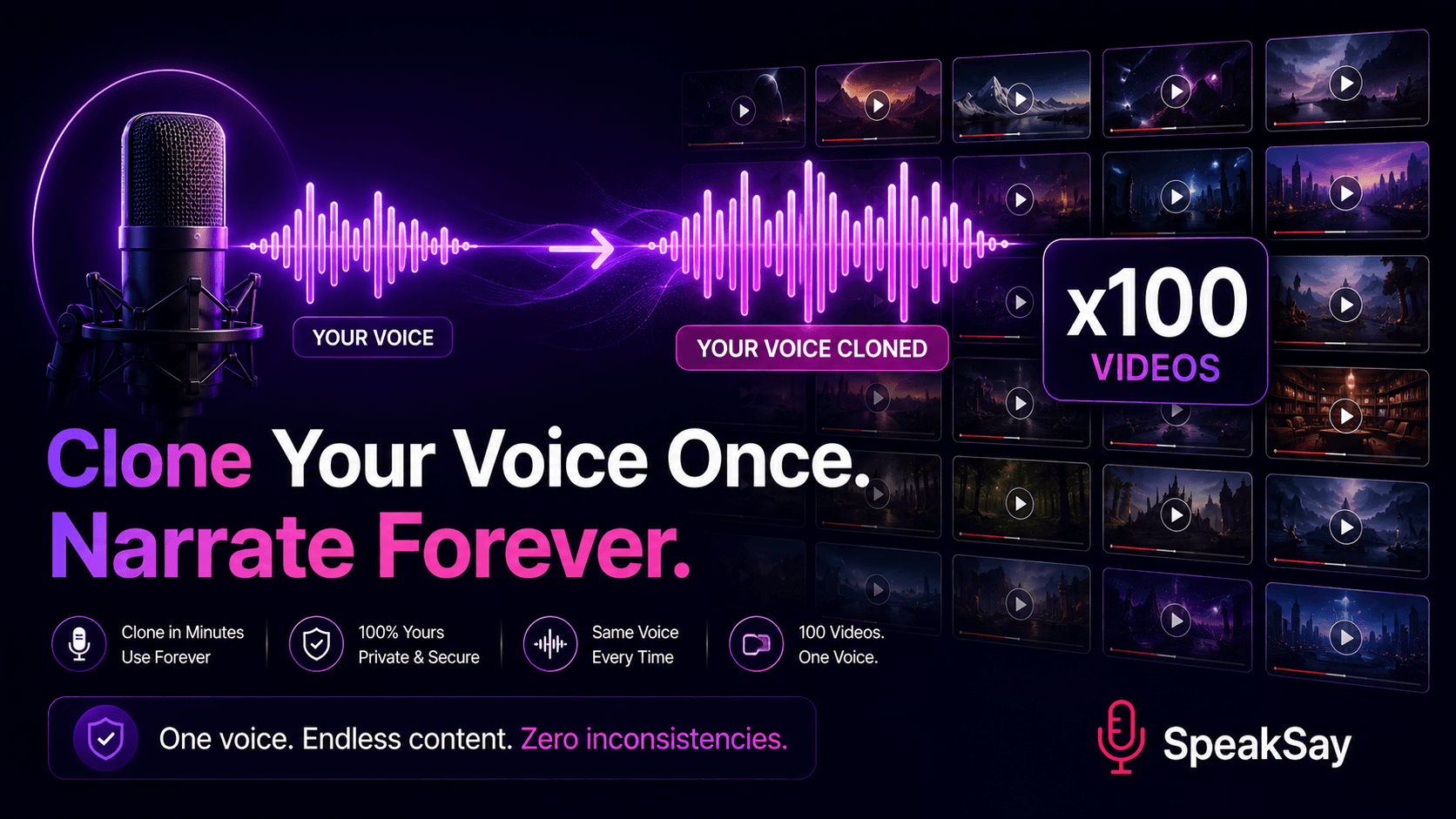
How to Clone Your Own Voice for YouTube Narration (and Keep It Consistent Across 100 Videos)
Re-recording narration for every video is the silent killer of faceless channels. Here's how to clone your own voice once, keep it perfectly consistent across a hundred uploads, and stay on the right side of consent and disclosure.
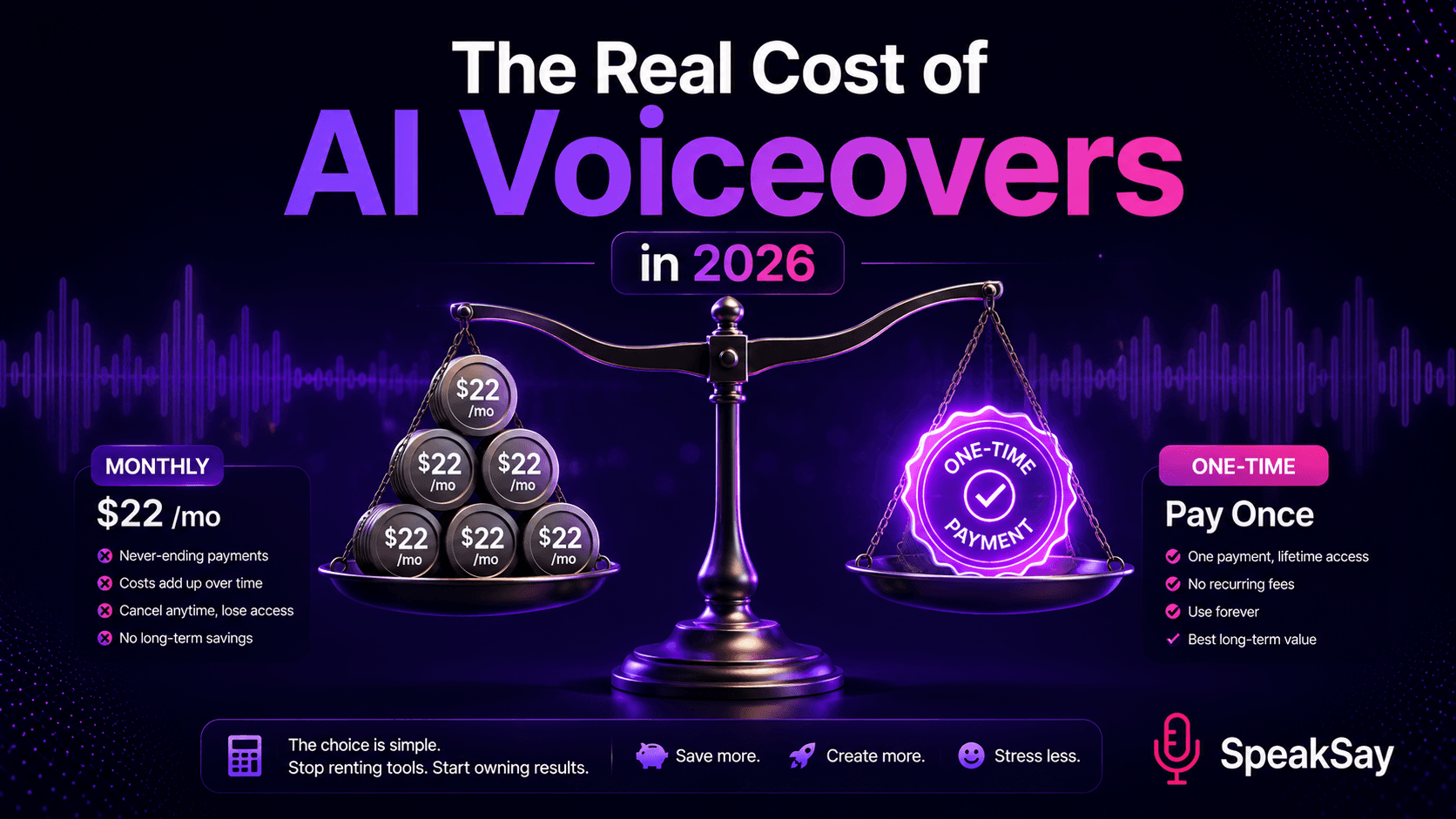
The Real Cost of AI Voiceovers in 2026: Credits, Caps, and the Subscription Math
Credit caps and monthly fees turn AI voiceovers into a moving target. Here's the honest math on what creators pay in 2026 — and how to escape the credit-anxiety treadmill without sacrificing quality.
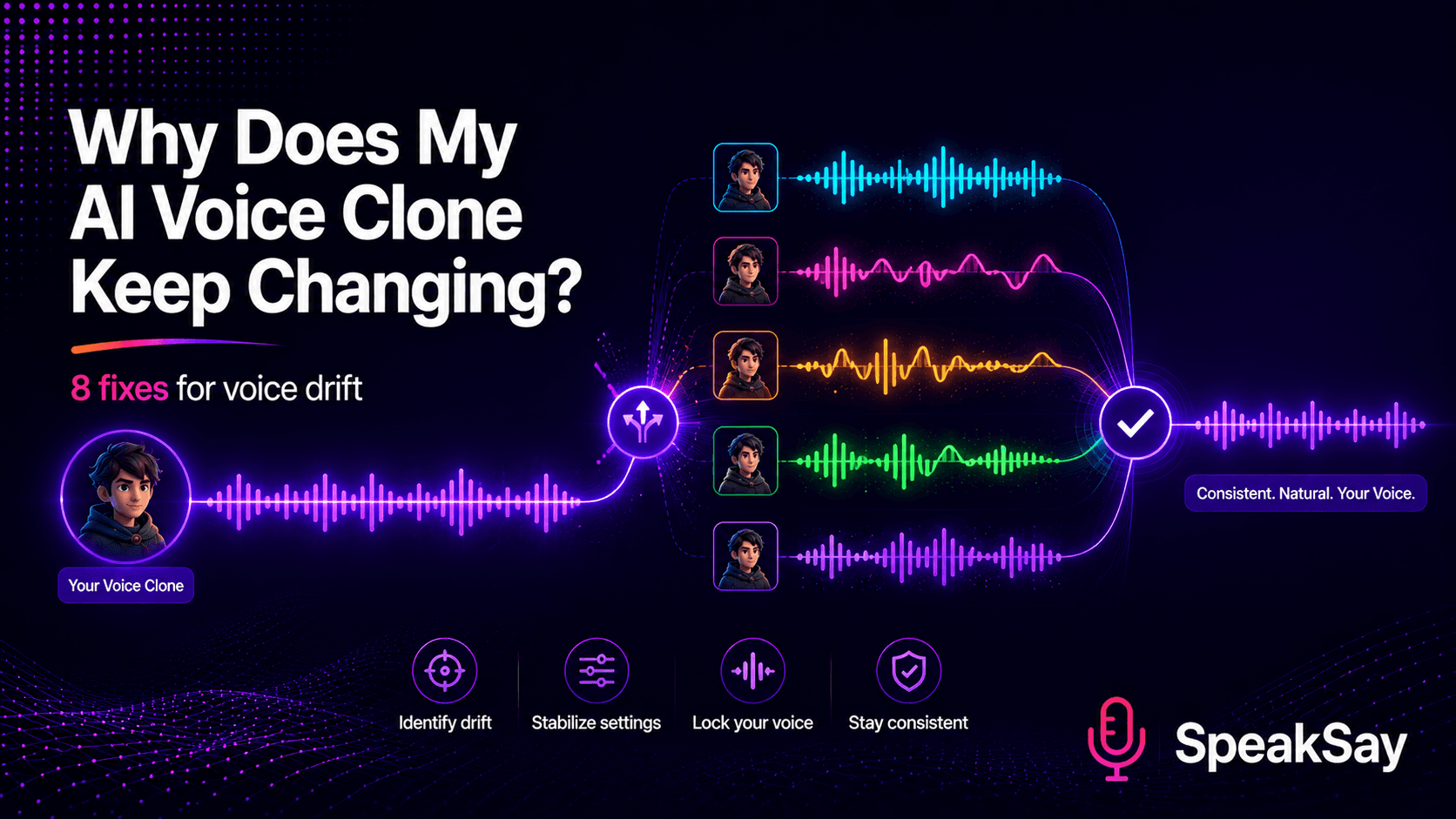
Why Does My AI Voice Clone Sound Different in Every Video? 8 Fixes for Voice Drift (2026)
Your cloned voice sounds perfect in one clip and "off" in the next. Here's why AI voice drift happens — and 8 concrete fixes to keep your narration consistent across every video.
Best ElevenLabs Alternative for Voice Cloning in 2026 (Free vs Paid, Tested)
ElevenLabs locks voice cloning behind its paid Creator plan and restricts commercial use on lower tiers. We tested the best free and paid voice cloning alternatives in 2026 — open-source models, hosted tools, and the no-GPU middle ground — so you can clone your voice without overpaying or fighting setup.
Give your words a voice
Start free with 10,000 credits. No credit card required.